
Buying, renting or investing in property is a significant decision. Before arranging a site visit, potential buyers often want to understand a property’s layout, location, amenities, appearance and suitability for their needs.
Traditional photographs and written descriptions provide useful information, but they may not communicate the full experience of moving through a property. Video offers another way to present the space, demonstrate its features and help viewers understand what makes the property distinctive.
This is why real estate video marketing has become a valuable content approach for property developers, real estate agents, builders and property consultants. Professionally produced videos can support property listings, project launches, social media campaigns, website landing pages and follow-up communication with interested buyers.
For example, a residential developer can use a walkthrough video to show the flow between rooms, while a real estate agent may produce a neighbourhood video highlighting nearby facilities and local surroundings.
Different video formats can serve different purposes, from introducing a property to answering questions that matter during the buyer’s decision-making process.
MW Stuudio provides video shoot and editing services in Mumbai that businesses can explore when planning professional property videos.
Here are 15 ways real estate video marketing can help property businesses improve their digital presence and attract more relevant enquiries.
1. Showcase Properties Beyond Static Photographs
Property photographs are important, but they present individual views rather than the complete experience of moving through a space.
Video can connect those views and give potential buyers a clearer sense of the property’s layout, proportions and flow.
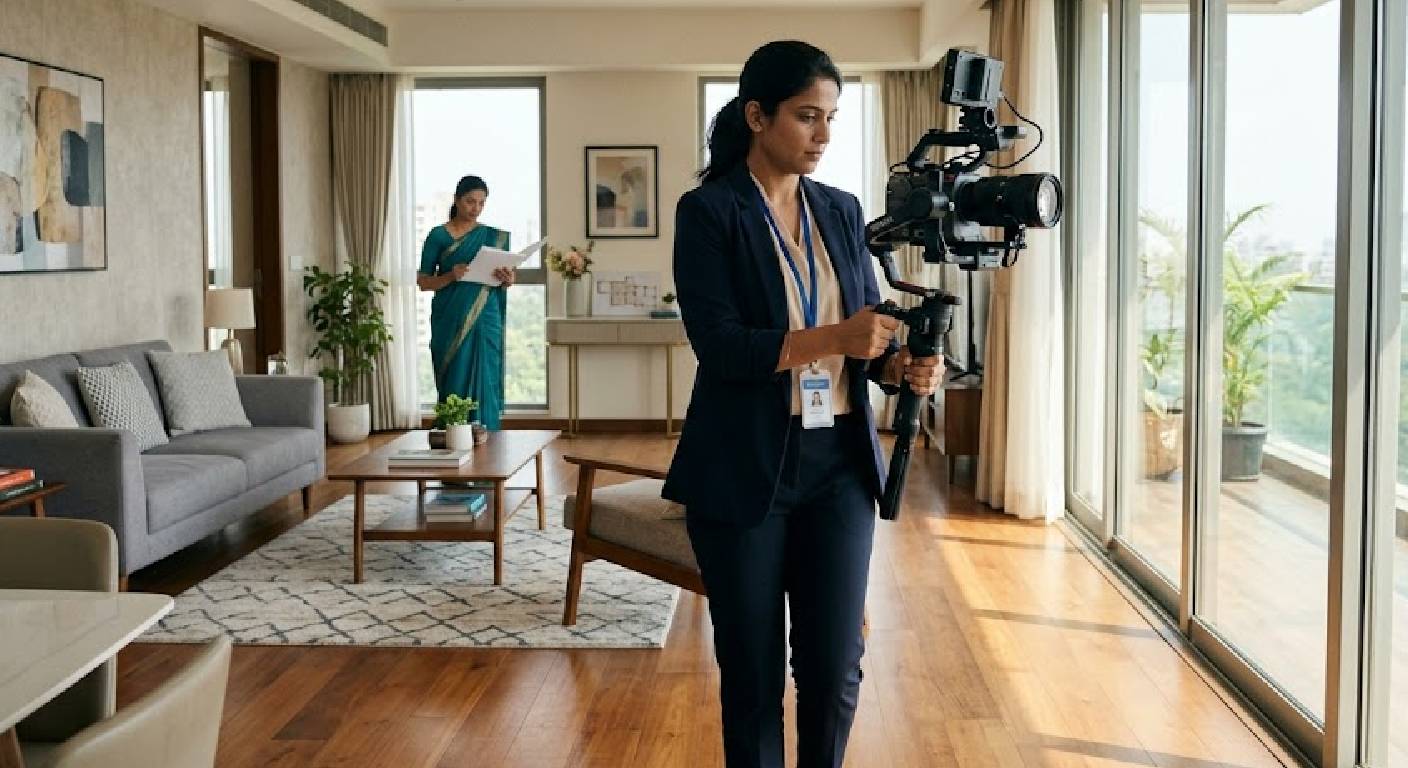
A residential walkthrough, for example, can move from the entrance through the living room, bedrooms, kitchen and balcony. A commercial property video might demonstrate the relationship between office areas, meeting rooms, common facilities and access points.
Plan the sequence carefully so viewers can understand the property without confusing transitions or unnecessary repetition.
Use steady camera movement, appropriate lighting and realistic framing. Avoid camera angles or editing techniques that significantly misrepresent room dimensions.
Include useful details, but keep the presentation focused on the features that matter to the intended audience.
A walkthrough video cannot replace a physical inspection or provide every measurement a buyer needs. However, it can help viewers decide whether a property is worth exploring further.
2. Attract More Relevant Enquiries With Property-Specific Videos
The objective of property marketing is not simply to generate a large number of enquiries. It is to attract people whose requirements reasonably match the property.
Video content can help communicate important features before a potential buyer contacts the agent.
For example, a family-oriented residential property video might highlight the number of bedrooms, usable living areas and relevant amenities. A commercial property video may focus on floor layout, access, available facilities and suitability for a particular business use.
Keep property details accurate and consistent with approved listing information.
When publishing a video, include a clear description of the property and the next step for interested viewers. This could be a dedicated landing page, a contact form or an option to request a site visit.
If a property has specific eligibility, availability or pricing conditions, communicate those details clearly where appropriate.
Track enquiries from individual listings or campaigns and review whether they match the intended audience. This helps property businesses understand which video styles and messages attract more relevant interest.
The aim is to help viewers make an informed initial decision rather than encouraging enquiries through exaggerated or incomplete claims.
3. Build Buyer Confidence Through Professional Presentation
Property buyers may hesitate when they cannot clearly understand what is being offered. Incomplete photographs, inconsistent information and poorly presented videos can leave important questions unanswered.
A professionally produced video can help a property business present information in a more organised and transparent way.
Show the actual property or clearly identify when the video uses a representative unit, a proposed design or a visualisation. Avoid combining footage in a way that could mislead viewers about the features of a particular property.
Use clear shots, appropriate colour correction and balanced audio. If the video includes narration, ensure that it explains the features accurately.
Property businesses can also include practical information such as the type of property, relevant amenities, location context and how to arrange a visit, subject to the details they are authorised to share.
Professional production does not guarantee buyer confidence. Trust also depends on accurate documentation, clear communication, property condition and the conduct of the seller or agent.
However, a clear and honest video presentation can help potential buyers understand the offering and identify the questions they need answered before proceeding.
4. Create Stronger Property Listing Pages
A property listing page should give potential buyers enough information to decide whether they want to enquire or arrange a visit.
High-quality photographs, accurate descriptions and clear specifications are essential. A relevant video can provide another layer of context.
Embed a property walkthrough or overview video where it supports the page’s purpose. Make sure the video loads reliably and works on mobile devices.
The page should also include essential listing information, such as the property type, relevant dimensions, available features, location and contact options. Only publish details that have been verified.
Avoid making visitors search through multiple pages to find the next step. A clear enquiry button or site-visit option can help interested buyers continue the process.
Website performance matters as well. Large video files can slow down page loading, so use suitable hosting, compression and responsive delivery methods.
Add captions or a transcript when appropriate, particularly when the video contains important spoken information. Provide a descriptive thumbnail and ensure that visitors can use the page without unnecessary barriers.
A well-organised listing page combines video with the practical information buyers need to evaluate the property.

5. Use Short-Form Videos to Reach Property Buyers on Social Media
Social media platforms give real estate businesses opportunities to introduce properties to audiences who may not be actively browsing listing websites.
Short-form video can present a property’s most relevant features quickly and encourage interested viewers to explore the full listing.
For example, a short video might show a bright living room, a balcony view, an attractive kitchen or a distinctive building amenity. A separate video can introduce the surrounding neighbourhood or explain the property’s intended use.
Plan the footage for the platform and placement. Vertical video is useful for many mobile-first formats, while horizontal video may be more suitable for websites and certain property presentations.
Keep the opening visually clear and use captions when narration provides important information. Avoid filling the video with too many features at once.
Each post should have a clear purpose. It might introduce a property, answer a common buyer question or direct viewers to a detailed listing.
Monitor relevant measures such as qualified profile visits, listing-page traffic, enquiries and site-visit requests. Views and likes can help assess distribution, but they do not automatically indicate buying intent.
6. Highlight the Surrounding Neighbourhood
A property is influenced by more than its internal layout. Potential buyers may also consider transport access, nearby services, green spaces, shopping options and the overall character of the neighbourhood.
A neighbourhood video can help provide context that property photographs cannot show.
Depending on the intended audience, footage might include public streets, nearby parks, transport connections, commercial areas and the surrounding environment.
Only feature amenities and transport information that have been verified. Distances, travel times, future infrastructure and access conditions should not be exaggerated or presented as guaranteed.
Plan the video around the questions prospective buyers commonly ask. A family considering a home may be interested in everyday facilities, while a business evaluating a commercial property may prioritise access and the surrounding commercial environment.
Obtain permission where necessary before filming private premises or restricted areas. Follow local requirements for aerial footage and public-space filming.
A neighbourhood video can complement a property walkthrough and help viewers understand the broader location. It should provide useful context without replacing independent checks of the area’s suitability.
7. Explain New Property Projects Before Completion
New developments can be challenging to market before the finished property is available for viewing. Buyers may need help understanding the proposed layout, amenities and overall project vision.
Video can support these explanations through approved architectural visualisations, site footage, model apartments and interviews with authorised project representatives.
Clearly distinguish between completed features, work in progress and proposed elements. If computer-generated imagery is used, label it appropriately so viewers understand that it represents a visualisation rather than the finished property.
A project overview may include the development’s planned layout, available property types, approved amenities and relevant location information.
Coordinate with the project team to verify specifications and ensure that the video reflects the latest approved materials.
Avoid making unsupported promises about completion dates, future infrastructure or investment returns.
For projects under development, video can help potential buyers understand the concept and prepare questions for the sales team. It should be used alongside accurate project documentation and the disclosures required by applicable regulations.
8. Demonstrate Property Features Through Focused Videos
A single long walkthrough may not answer every question a potential buyer has. Focused videos can explain individual features in more detail.
For example, one video may demonstrate the kitchen layout, another may showcase a balcony or terrace, and a third may explain the shared facilities available within a residential development.
For commercial properties, focused videos might cover access points, workspace configuration, meeting areas or other relevant features.
Create each video around a clear question or selling point. Use close-up shots and straightforward narration where they add useful context.
Avoid repeating the same footage across multiple videos without providing additional information. Each asset should help viewers understand a distinct aspect of the property.
When filming facilities, make sure the footage represents the actual property or clearly identifies proposed or representative features. Confirm that any people shown have appropriate permission to appear.
These focused videos can be used in social media posts, property listing pages and follow-up messages when a buyer asks about a specific feature.
9. Support Paid Advertising With Dedicated Video Creatives
Paid advertising can help property businesses reach selected audiences, but campaign performance depends on the relevance of the message, creative quality, targeting and destination page.
Video advertisements can introduce a property or project quickly, making it possible to show key features before directing interested viewers to further information.
Develop creative variations for different audiences and campaign objectives. One version might introduce the overall property, while another focuses on a particular layout, location feature or approved amenity.
Ensure that the advertisement and landing page communicate consistent information. If the video promotes a particular unit or offer, the destination should help viewers locate the relevant details.
Property advertising may be subject to platform-specific housing or real estate rules and applicable local regulations. Review the requirements before choosing targeting settings or making promotional claims.
Track meaningful outcomes such as qualified enquiries, appointment requests and cost per qualified lead. Do not evaluate the campaign only through views or clicks.
A video advertisement should attract appropriate attention and make it easy for interested viewers to take the next step.
10. Use Video to Answer Common Buyer Questions
Potential buyers often have recurring questions about property layouts, available facilities, maintenance arrangements, location, viewing procedures and documentation.
If the same questions arise repeatedly, real estate businesses can create useful videos that address them clearly.
For example, a short explainer could demonstrate how to arrange a site visit, explain the features shown in a listing or introduce the steps involved in evaluating a property.
Questions about legal documents, ownership, financing or regulatory compliance should be answered by appropriately qualified professionals and supported by verified information.
Prepare a list of frequently asked questions using real enquiries from the sales team. Prioritise topics that can be explained accurately and are relevant to a broad group of potential buyers.
Keep the answers focused. If a subject requires detailed discussion, create a longer explanation or direct viewers to an appropriate authoritative resource.
FAQ videos can be shared in social media posts, included on a website or sent to interested prospects when relevant.
They can make information easier to access and help sales teams provide consistent explanations, while preserving opportunities for personalised advice.
11. Build a More Useful Follow-Up Experience for Prospective Buyers
A property enquiry is often the beginning of a longer decision-making process. Buyers may compare several properties, discuss requirements with family members or wait until their finances and schedule are suitable.
Relevant video content can support follow-up communication by answering questions and helping buyers revisit important details.
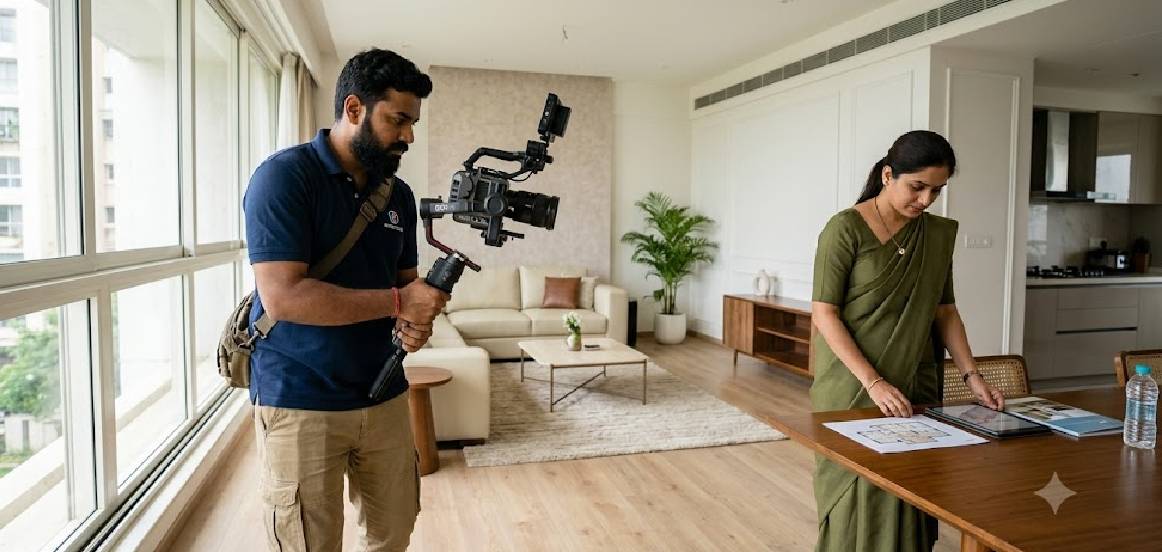
For example, after an initial conversation, an agent may share a property walkthrough, a video about specific amenities or a clear explanation of the next steps for arranging a site visit.
Send content that matches the person’s stated interests rather than distributing the same collection of videos to every enquiry.
Use appropriate communication permissions and follow applicable privacy and marketing requirements.
Keep follow-up messages concise and make it easy for the recipient to ask a question, request further information or decline additional communication.
Track which resources are shared and whether they contribute to useful conversations or scheduled visits. Avoid assuming that a video caused a purchase simply because the buyer watched it.
Video works best as part of a responsive sales process that combines accurate information, timely communication and personal assistance.
12. Create Trustworthy Customer Testimonial Videos
Property decisions involve substantial financial and personal considerations. Prospective buyers may want to understand the experiences of people who have already worked with a developer, agent or property business.
Authentic customer testimonial videos can provide first-hand perspectives on the buying experience, communication, property selection or support received.
Invite customers to speak in their own words rather than requiring them to deliver a scripted endorsement. Ask open questions about their experience and allow them to describe both the process and the aspects they found helpful.
Obtain clear permission before recording or publishing a customer’s image, voice or comments. Make sure the final edit preserves the meaning of what the person said.
Do not invent testimonials, make unsupported claims or imply that one customer’s experience guarantees the same result for everyone.
Where applicable, disclose relevant incentives or relationships and follow advertising requirements.
A testimonial should provide genuine context, not replace factual information about the property. Combine it with accurate listing details and a clear way for viewers to learn more.
13. Repurpose Property Footage Across Multiple Marketing Channels
A well-planned property shoot can produce a collection of assets for different marketing needs.
The same project may require a full walkthrough, short social media clips, detailed feature videos, website footage and selected images for supporting promotional materials.
Planning these deliverables before filming helps the production team capture the necessary angles and formats during the session.
For example, a residential property shoot could include:
- A complete property walkthrough.
- Short clips highlighting key rooms.
- A vertical video introducing the property.
- Detail shots of finishes and amenities.
- A neighbourhood overview.
- A selection of still photographs, if included in the production scope.
Adapt each asset to its destination. A full walkthrough may suit a listing page, while a short vertical edit may work better for mobile social media.
Avoid assuming that every asset will perform equally well on every platform. Monitor the results and prioritise formats that support the business’s objectives.
Organise approved files by property, campaign, date and intended use. This helps the team find suitable footage for future promotions without unnecessary searching or repeated production.
MW Stuudio offers video shoot and editing services that property businesses can explore when planning video assets for multiple digital channels.
14. Measure Video Marketing Performance Beyond Views
Views can indicate that a property video has reached an audience, but they do not reveal whether the content generated meaningful business opportunities.
Real estate businesses should connect video performance with the outcomes they want to achieve.
Depending on the campaign, relevant measures may include listing-page visits, enquiry submissions, qualified leads, phone calls, booked site visits and completed sales.
Use campaign tracking links and appropriate analytics tools to understand how people move from the video to the property listing or contact page. Where practical, connect enquiries to a lead management system.
Review lead quality alongside quantity. A campaign generating fewer enquiries may still be valuable if more of those enquiries match the property’s location, budget and other relevant requirements.
Compare similar campaigns where possible, while accounting for differences in property type, price, audience, advertising spend and market conditions.
Use the results to test practical improvements. If people watch a video but rarely visit the listing page, review the call to action and the relevance of the destination. If the page attracts visits but few enquiries, check whether essential information is clear and whether the contact process works.
Measurement helps businesses improve their decisions, but it should not be used to claim that video alone caused a sale without sufficient evidence.
15. Choose the Right Professional Video Production Partner
Real estate video production requires planning, camera operation, lighting, stabilisation, editing and an understanding of how to present a space accurately.
The production approach should reflect the property, target audience and intended use of the final content.
Before choosing a video production partner, review relevant examples and discuss the requirements of the project. Explain whether you need a residential walkthrough, commercial property presentation, project overview, testimonial or collection of short-form videos.
Clarify important details such as:
- The properties and locations to be filmed.
- The intended video formats and durations.
- The required equipment and filming approach.
- The editing, colour correction and sound requirements.
- The delivery timeline and revision process.
- The usage rights and final file formats.
Confirm permissions for filming and ensure that the property is prepared for the shoot. Remove unnecessary clutter, arrange access and verify which areas can be shown publicly.
If drone footage is required, check applicable aviation rules, location restrictions and permissions before the shoot.
MW Stuudio provides professional video production services in Mumbai that property businesses can explore when planning their video marketing requirements.
The best production partner should help create clear, accurate and audience-focused videos rather than relying on cinematic effects alone.
Conclusion
Real estate video marketing can help property businesses present listings more clearly, introduce developments, explain important features and support communication with prospective buyers.
Professional walkthroughs, short-form videos, neighbourhood footage, project presentations and customer testimonials can each serve a different purpose within the wider marketing strategy.
The strongest results begin with accurate information and clear planning. Identify the intended audience, decide what the video needs to communicate and prepare the property before filming. Choose the appropriate format, make sure the final content works across relevant platforms and provide viewers with a clear next step.
After publication, measure more than views. Review qualified enquiries, listing-page visits, site-visit requests and other outcomes relevant to the campaign. Use these findings to improve future content and distribution decisions.
Remember that video supports the property marketing process but cannot replace accurate documentation, transparent communication, physical inspections or the professional advice buyers may need.
Businesses looking to produce professional property videos can explore MW Stuudio’s video shoot and editing services according to their project requirements.
Ultimately, effective real estate video marketing is about helping prospective buyers understand a property, providing a realistic view of its features and making it easier for interested people to take the next informed step.