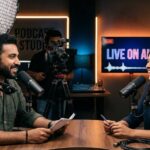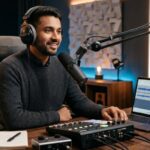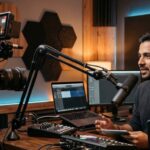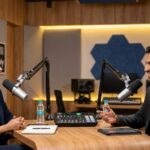

Professional podcast recording involves more than simply speaking into a microphone and capturing a conversation on camera. Audio clarity, video quality, and proper lighting all play an important role in creating engaging podcast content. Whether you are a content creator, entrepreneur, or business owner, producing high-quality podcast episodes helps communicate your message effectively and present your brand professionally.
With the growing popularity of video podcasts and digital content, audiences expect a comfortable listening and viewing experience. Understanding the fundamentals of audio recording, camera setup, and studio lighting helps you improve production quality and create content suitable for platforms such as YouTube, Instagram, and other digital channels.
1. Understanding the Importance of Professional Podcast Recording
Professional podcast recording helps transform ordinary conversations into polished and engaging content. Poor sound, distracting backgrounds, and inconsistent lighting can affect how audiences experience your episodes, even when the discussion itself is valuable.
A well-planned recording setup creates consistency across episodes and makes your content more enjoyable to watch and listen to. For businesses, professional production also supports brand credibility and helps maintain a strong visual and audio identity.
2. Audio Recording: The Foundation of Every Podcast
Audio quality is one of the most important elements of podcast production. Listeners should be able to hear every speaker clearly without distractions caused by background noise, echo, or microphone distortion.
Professional microphones, suitable recording environments, and proper sound monitoring help achieve balanced audio. Microphone placement is equally important because positioning the microphone correctly helps capture the speaker’s voice more clearly. Using headphones during recording also allows hosts and production teams to identify unwanted sounds before they affect the final recording.
3. Choosing the Right Microphone and Audio Equipment
The microphone and supporting equipment you choose can directly influence the quality of your podcast. Different recording formats require different audio arrangements, especially when multiple guests or hosts participate in a conversation.
Important audio recording equipment includes:
-
Dynamic Microphones: Commonly used for spoken-word recording and podcast conversations.
-
Condenser Microphones: Capture detailed sound and are suitable for controlled recording environments.
-
Audio Interfaces: Connect microphones to computers and support audio signal management.
-
Headphones: Help hosts monitor sound quality during recording.
-
Audio Mixers: Manage multiple microphone inputs and control individual sound levels.
Selecting suitable equipment helps create consistent recordings and reduces common audio-related problems.
4. Video Recording: Making Podcasts More Engaging
Video podcasts allow audiences to experience conversations through facial expressions, gestures, and visual interactions. They also create opportunities to share full-length episodes, interviews, and short promotional videos across different digital platforms.
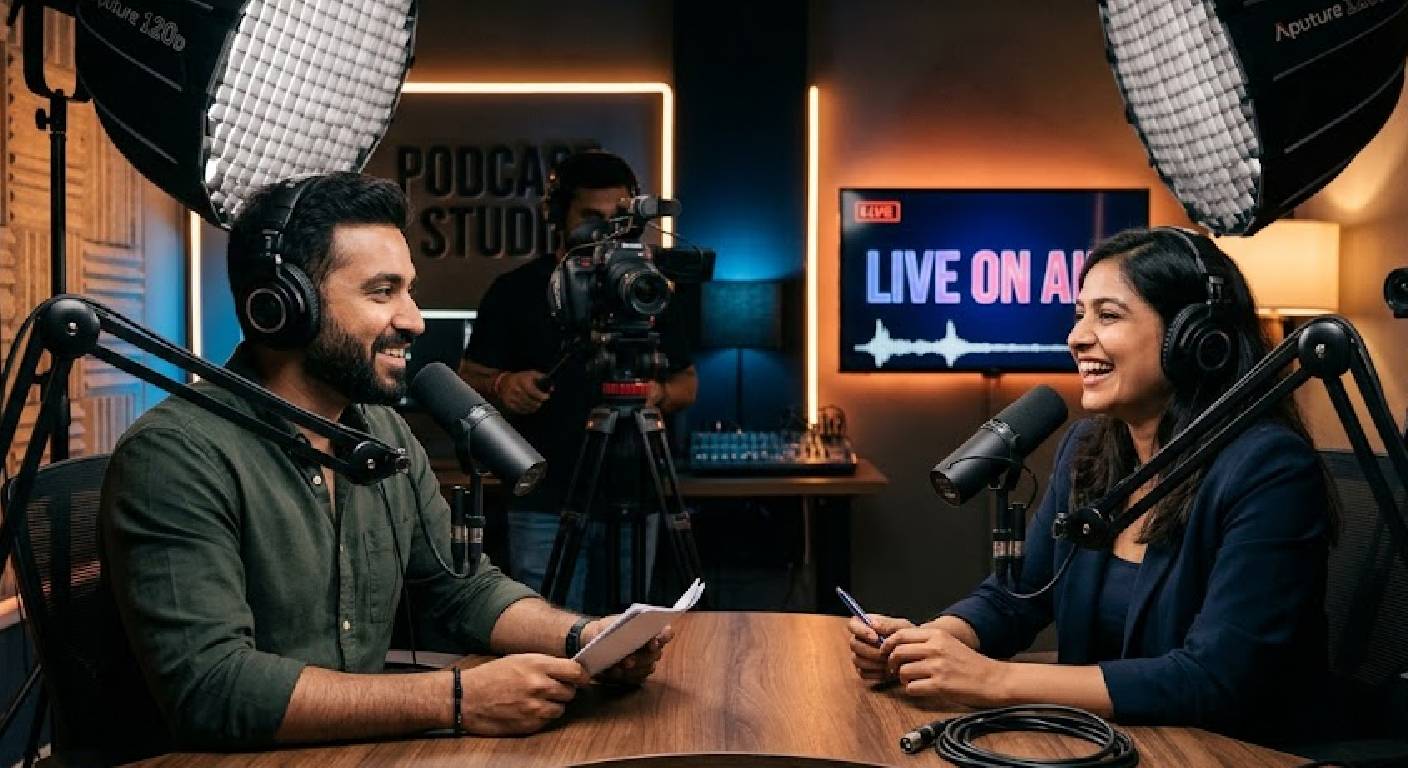
Professional video recording requires suitable cameras, stable positioning, appropriate framing, and consistent image quality. For interviews and multi-person discussions, multiple camera angles can make the final video more dynamic. A well-organised camera setup also helps maintain a professional appearance throughout the episode.
5. Camera Angles and Composition for Video Podcasts
Camera placement plays an important role in how a video podcast looks. Poor framing, distracting backgrounds, and inconsistent camera angles can reduce the overall viewing experience. A carefully planned composition helps keep attention on the speakers and makes conversations easier to follow.
For a single-host podcast, a medium shot can capture the speaker and part of the recording environment. For interviews, separate camera angles for each participant and a wider shot of the conversation can create a more professional production. Keeping the camera at an appropriate eye level also helps achieve natural-looking footage.
6. Understanding Studio Lighting for Podcast Production
Lighting is essential for creating clear and visually appealing video podcasts. Even a good camera may produce poor-looking footage when the recording space is too dark or unevenly illuminated. Proper lighting helps highlight facial expressions, improve image clarity, and create a consistent visual appearance.
A professional lighting setup generally uses a combination of:
-
Key Light: Provides the main illumination on the speaker’s face.
-
Fill Light: Softens shadows created by the key light.
-
Back Light: Separates the subject from the background and adds depth.
-
Background Lighting: Creates visual interest and improves the overall studio atmosphere.
Balancing these lighting sources helps produce clean, professional-looking video recordings.
7. Maintaining Consistency Across Audio, Video and Lighting
A successful podcast requires all production elements to work together. Clear audio, properly framed video, and balanced lighting create a consistent experience for viewers and listeners. If one element is significantly weaker than the others, it can affect the overall quality of the episode.
Before recording, check microphone levels, camera settings, lighting positions, and background arrangements. Conducting a short test recording can help identify technical problems early. Maintaining a consistent setup across episodes also strengthens your podcast’s visual identity and makes your content more recognisable.
8. Why Professional Studio Support Makes a Difference
Managing audio equipment, cameras, lighting, and recording software independently can be challenging, particularly for beginners and businesses with limited production experience. A professional podcast studio provides a dedicated recording environment with suitable equipment and technical facilities.
Studio support can simplify the recording process and help creators focus on their conversations rather than troubleshooting equipment. Professional recording and post-production facilities also help transform raw recordings into polished episodes, making it easier to produce content regularly and maintain quality standards.
Conclusion
Professional podcast recording depends on three essential elements: audio, video, and lighting. Clear sound helps audiences follow conversations, well-planned camera arrangements improve visual engagement, and balanced lighting creates a polished appearance. Together, these elements contribute to a better podcast experience.
Whether you are creating a personal podcast, recording business interviews, or producing branded video content, investing in the right recording setup can improve your results. With proper planning and professional studio support, you can create consistent, engaging podcast episodes that strengthen your digital presence and brand identity.