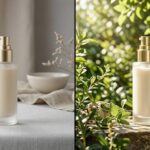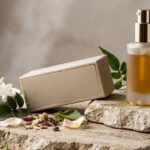

Indoor vs Outdoor Product Photography plays an important role in how customers discover, understand, and connect with a brand. High-quality product images help businesses showcase their offerings, highlight important details, and create a professional impression across websites, e-commerce platforms, and social media. However, choosing the right photography environment is equally important for achieving the desired visual results.
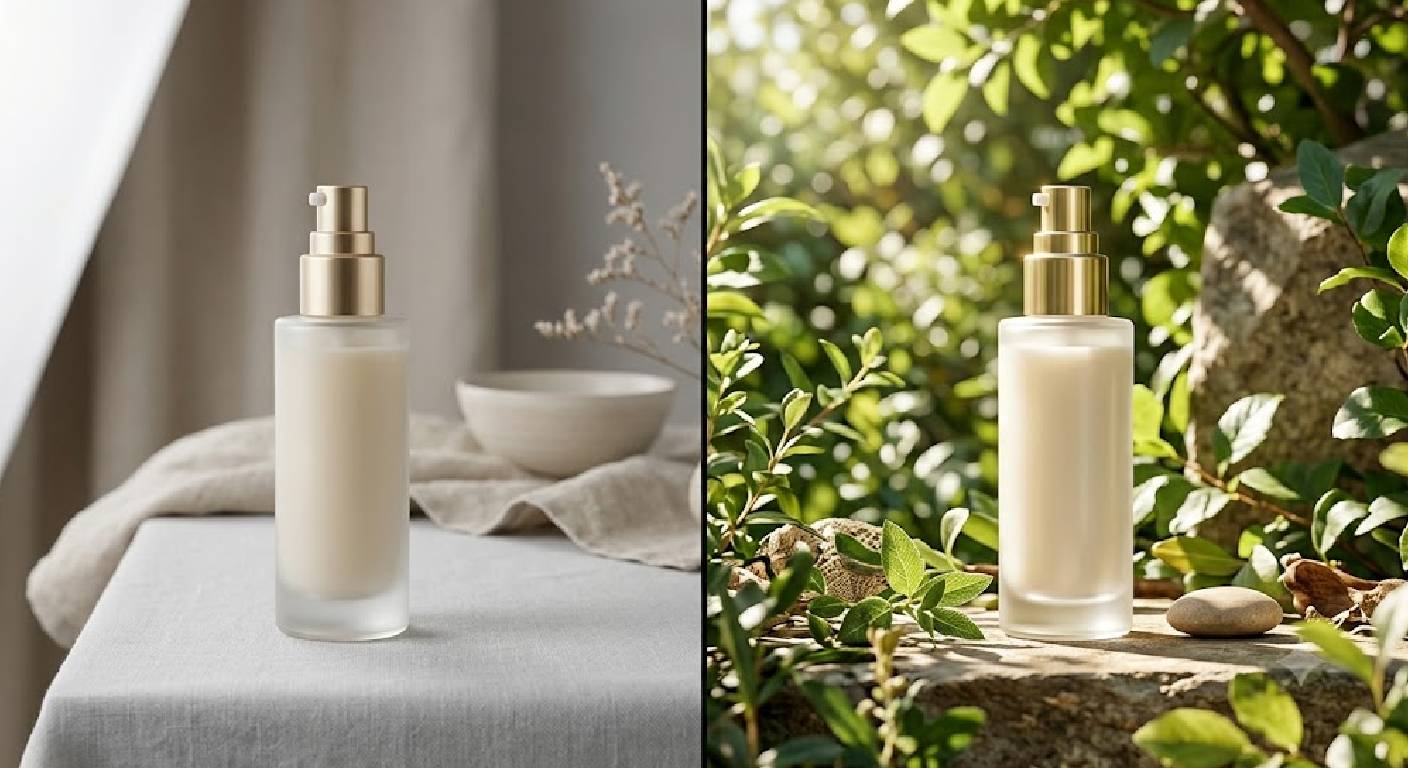
Indoor and outdoor product photography offer different creative possibilities. Indoor photography provides greater control over lighting, backgrounds, and product arrangements, while outdoor photography uses natural surroundings and daylight to create realistic and lifestyle-focused images. Understanding the differences between these two approaches can help businesses choose a photography style that matches their products and brand identity.
1. Understanding Indoor Product Photography
Indoor product photography takes place in a controlled environment, such as a professional photography studio or a dedicated indoor setup. It allows photographers to manage lighting, backgrounds, camera angles, and product positioning according to the requirements of each photoshoot.
This approach is suitable for businesses that need clean, consistent, and detailed product images. Products such as jewellery, cosmetics, electronics, clothing accessories, and packaged goods can be photographed with carefully arranged lighting and backgrounds to highlight their features.
2. Understanding Outdoor Product Photography
Outdoor product photography uses natural environments such as gardens, streets, balconies, architectural spaces, and outdoor locations as photography backgrounds. It helps brands present products in realistic settings and communicate a particular lifestyle or atmosphere.
Natural sunlight, greenery, textures, and surrounding elements can add depth and character to product images. This style is especially useful for lifestyle products, fashion accessories, skincare items, food products, and outdoor equipment that benefit from a natural visual presentation.
3. Lighting and Environmental Control
One of the biggest differences between indoor and outdoor product photography is lighting control. Indoor photography allows professionals to use softboxes, reflectors, and studio lights to create consistent illumination. This makes it easier to highlight product details without depending on changing weather or sunlight.
Outdoor photography relies heavily on natural light, which can produce beautiful and realistic results. However, sunlight intensity, shadows, weather conditions, and shooting time can affect the final images. Professional planning helps photographers manage these conditions and achieve balanced results.
4. Backgrounds and Creative Composition
The background plays an important role in making product images visually attractive. Indoor setups provide the flexibility to use solid colours, textured surfaces, decorative props, and customized backdrops. These elements help maintain a consistent appearance across product collections.
Outdoor environments offer natural backgrounds such as plants, wooden surfaces, stone textures, and architectural details. These surroundings can make photographs more interesting and help communicate the product’s intended lifestyle.
5. Which Photography Style Suits Your Products?
The right photography environment depends on the type of products, target audience, and marketing objectives. Some products require detailed studio presentation, while others benefit from natural surroundings and lifestyle compositions.
-
Indoor photography: Suitable for jewellery, electronics, cosmetics, packaged products, and detailed catalogue images.
-
Outdoor photography: Ideal for fashion accessories, lifestyle products, skincare, travel products, and nature-inspired collections.
-
Indoor and outdoor combination: Useful for brands that need both clean product images and creative lifestyle photographs.
Selecting the appropriate approach helps businesses present their products more effectively across different marketing channels.
6. Cost, Convenience and Photoshoot Planning
Indoor product photography can be easier to organize because the environment is controlled and equipment can remain in one location. Professional studios also provide access to lighting equipment, backdrops, and other photography accessories. However, studio rental and setup requirements may influence the overall budget.
Outdoor photography may reduce the need for elaborate studio backgrounds, but it requires careful location selection, travel arrangements, and weather planning. Businesses should consider the number of products, shooting duration, creative requirements, and available resources before finalizing a photoshoot.
7. Impact on Brand Identity and Marketing
Photography style influences how customers perceive a brand. Indoor product images often create a polished, premium, and professional appearance, while outdoor images can communicate authenticity, freshness, and lifestyle appeal.
Brands can use both styles strategically to create varied marketing content:
-
Studio photographs for e-commerce listings and product catalogues.
-
Outdoor visuals for lifestyle campaigns and social media promotions.
-
Creative indoor compositions for premium product advertisements.
-
Natural outdoor scenes for seasonal and promotional campaigns.
Using the right visual approach helps maintain brand consistency while keeping marketing content engaging.
8. How to Choose the Best Option for Your Brand
There is no single photography style that works for every business. The best choice depends on the product’s features, brand personality, customer expectations, and intended use of the images.
If your priority is detailed product presentation, controlled lighting, and consistent catalogue images, indoor photography may be the better option. If you want to create lifestyle-focused visuals with natural surroundings, outdoor photography can be more effective. Many brands benefit from combining both approaches to build a versatile collection of marketing photographs.
Conclusion
Indoor and outdoor product photography each offer unique advantages for businesses. Indoor photography provides greater control over lighting, backgrounds, and product details, while outdoor photography creates natural, lifestyle-focused visuals that can make products more relatable. Both approaches can improve brand presentation when planned according to the product and marketing objectives.
For businesses looking to strengthen their visual identity, the decision should not be based only on location. It should focus on how effectively the photographs communicate product value and connect with the target audience. A combination of professional indoor and outdoor photography can help brands create attractive and versatile visual content.