
When customers shop online, photography plays an important role in how they understand a product.
They cannot physically pick up the product, examine its texture, check its size or see how it looks in a real environment. Instead, they depend on images to understand what they are considering.
This is why product photography has become an important part of e-commerce, websites, social media and digital marketing.
But there is an important question for brands:
Should you use clean product photography, lifestyle photography, or both?
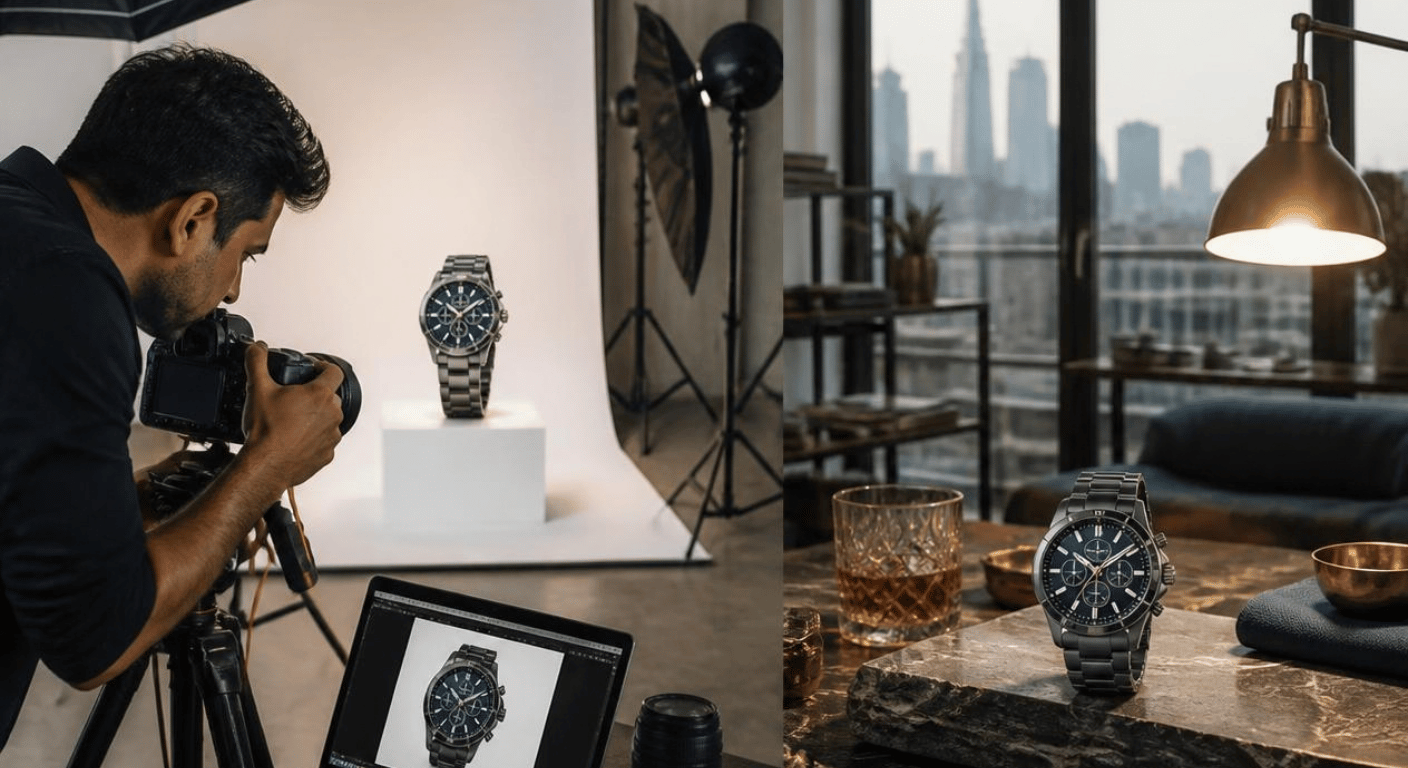
Product photography and lifestyle photography serve different purposes. A clean product image can clearly show the product itself, while a lifestyle image can demonstrate how that product fits into a real-world environment.
For example, an online furniture store may need a clean image of a chair against a neutral background for its product page. It may also need a lifestyle image showing that chair inside a beautifully designed living room.
Similarly, a skincare brand may need clean product images for an online catalogue and lifestyle images showing the product being used as part of a skincare routine.
MW Stuudio’s photography services include product photography, e-commerce catalogue photography, lifestyle photography, jewellery photography, food and beverage photography, fashion photography and personal branding photography. The studio also provides professional post-production and platform-specific image delivery.
Understanding the difference between these two photography styles can help businesses decide what type of visual content they actually need.
1. What Is Product Photography?
Product photography is designed to show the product clearly and accurately.
The product is generally the main subject of the image, with limited distractions around it. Depending on the platform and brand requirements, the product may be photographed against a white, neutral, coloured or textured background.
For e-commerce businesses, this type of photography is especially useful because customers need to understand the product before making a purchase.
A good product photograph can communicate:
- Product shape and size
- Colour and finish
- Design details
- Packaging
- Features
- Texture
- Product variations
- Important physical details
For marketplace listings, clean catalogue images are often an important part of the product presentation. For a brand’s own website, product photography can also help create a consistent product grid.
The main objective is clarity.
The customer should be able to look at the photograph and understand what the product is.
2. What Is Lifestyle Photography?
Lifestyle photography places a product within a realistic or carefully designed environment.
Instead of showing only the product, the photograph communicates a situation, mood or experience.
For example:
- A coffee product on a breakfast table
- A handbag styled with an outfit
- A skincare product beside a bathroom mirror
- Jewellery worn by a model
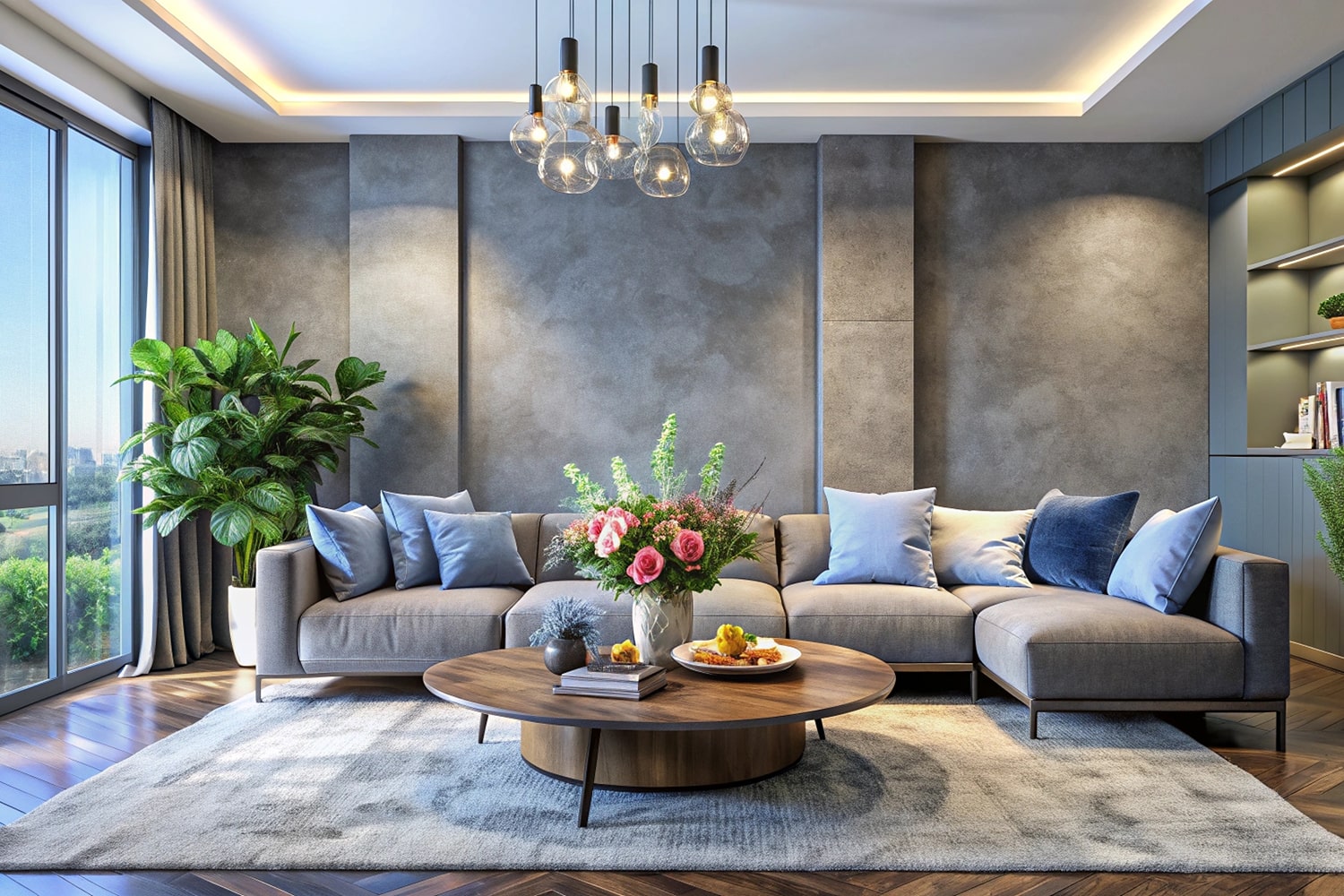
- Furniture inside a living room
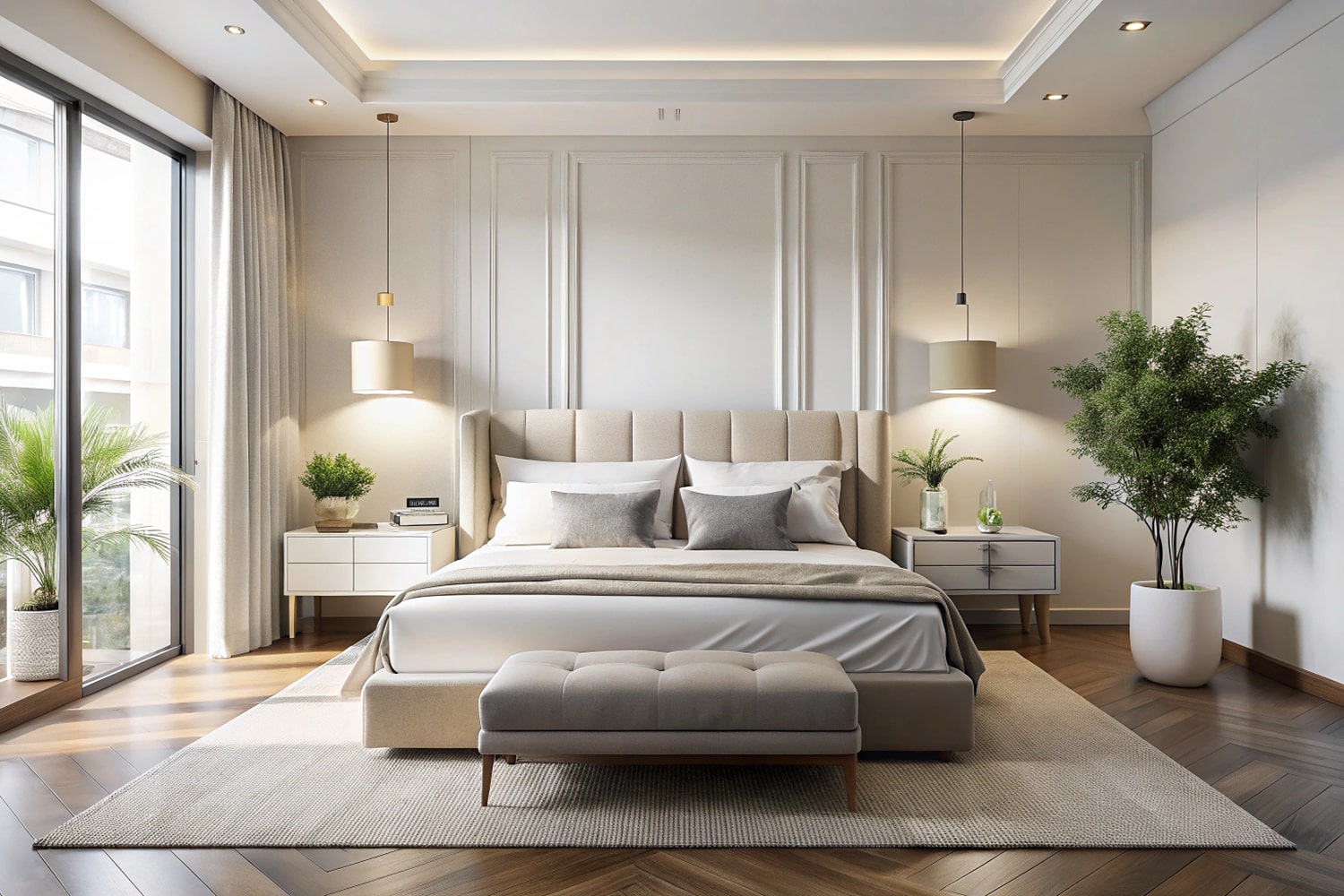
- A candle styled in a bedroom
- A watch worn during a professional setting
The product remains important, but the surrounding environment helps communicate how it can fit into the customer’s life.
The objective is not simply to show the product.
It is to show the product in context.
Lifestyle photography can therefore be useful for websites, social media, advertising campaigns, brand campaigns and secondary e-commerce images.
MW Stuudio’s product photography setup includes styled lifestyle sets, props, coloured and textured backgrounds, flat-lay surfaces and context-based product photography.
3. The Main Difference Between Product and Lifestyle Photography
The easiest way to understand the difference is to consider the question each image is trying to answer.
Product Photography Answers:
“What does the product look like?”
It focuses on:
- Product details
- Shape
- Colour
- Features
- Packaging
- Accuracy
- Consistency
Lifestyle Photography Answers:
“What could this product look like in my life?”
It focuses on:
- Context
- Mood
- Experience
- Environment
- Styling
- Brand personality
- Product usage
Neither approach automatically replaces the other.
They simply solve different visual communication problems.
For many brands, the strongest visual library combines both.
4. Why Product Photography Is Important for E-Commerce
Online customers need enough visual information to make a purchase decision.
A product page with unclear, inconsistent or low-quality images can make it harder for customers to understand what they are buying.
Product photography can help businesses present their catalogue more professionally.
For e-commerce brands, useful product images may include:
- Front view
- Back view
- Side view
- Detail view
- Close-up
- Packaging
- Product dimensions or scale
- Different product variations
- Product-in-use images
The exact requirements depend on the platform and product category.
For example, a jewellery product may require close-up detail photography, while furniture may need wider photographs that communicate proportions and context.
MW Stuudio works with e-commerce brands on both clean catalogue images and lifestyle imagery, including content intended for brand-owned stores and marketplace listings.
5. Why Lifestyle Photography Is Valuable for Brand Building
Product photography provides information.
Lifestyle photography can provide context and emotion.
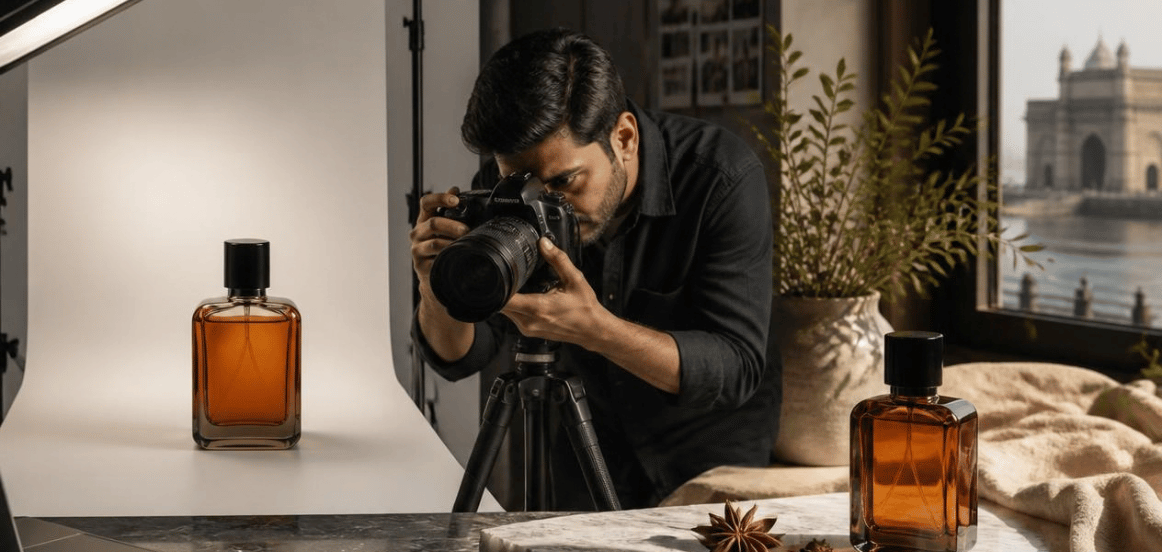
Consider a perfume brand.
A clean product image can show the bottle, packaging and design.
A lifestyle photograph could show the same perfume bottle on an elegant dressing table alongside carefully selected styling elements.
The second image gives the customer a stronger sense of the brand world.
Lifestyle photography can help communicate:
- Brand personality
- Product usage
- Customer lifestyle
- Mood
- Premium positioning
- Environment
- Product scale
- Visual storytelling
This makes lifestyle photography particularly useful for social media and brand campaigns.
Instead of simply saying “this is our product,” the image can visually communicate where the product belongs.
6. When Your Brand Should Use Product Photography
Clean product photography is particularly useful when customers need to inspect the product carefully.
It can be especially valuable for:
- E-commerce product pages
- Marketplace listings
- Online catalogues
- Product comparison
- Product launches
- Website stores
- Retail catalogues
- Packaging presentations
- Wholesale catalogues
- Product documentation
For example, an electronics brand may need clean images showing the device from multiple angles.
A jewellery brand may need detailed photographs showing stone settings and metal finishes.
A cosmetics brand may need accurate packaging and colour representation.
A furniture brand may need both product-only photographs and wider contextual images.
The key question is:
Does the customer need to clearly inspect the product?
If the answer is yes, product photography should be an important part of the shoot.
7. When Your Brand Should Use Lifestyle Photography
Lifestyle photography becomes particularly useful when context is important.
Consider a home decor brand.
A customer can understand the physical design of a lamp from a clean product image.
But seeing that lamp inside a beautifully styled living room can help the customer understand its scale, atmosphere and visual impact.
Lifestyle photography can be particularly useful for:
- Fashion brands
- Jewellery brands
- Beauty brands
- Home decor
- Furniture
- Food and beverages
- Travel products
- Fitness products
- Lifestyle accessories
- Personal brands
It can also be useful when the product’s value is closely connected to an experience.
The goal is to help customers imagine the product beyond the catalogue.
8. Why E-Commerce Brands Often Need Both
For many e-commerce brands, choosing between product and lifestyle photography is not necessary.
A combination can provide a more complete visual product presentation.
For example, a product page could include:
- Clean front product image
- Back or side view
- Detail photograph
- Product feature image
- Lifestyle image
- Product-in-use photograph
- Packaging photograph
The clean photographs answer practical questions.
The lifestyle photographs provide context.
Together, they create a more complete visual presentation.
MW Stuudio’s e-commerce photography service specifically supports both white-background catalogue photography and lifestyle product photography for brand websites and social media content.
9. Product Photography for Different Types of Brands
Different product categories have different photography requirements.
Jewellery
Jewellery often requires detailed photography because customers need to see stones, metal finishes, settings and craftsmanship.
Macro capability and controlled lighting can be particularly useful.
Cosmetics
Cosmetics photography needs careful colour and surface representation.
Packaging, texture, finish and product shade can all be important.
Food and Beverage
Food photography often focuses on presentation, texture, colour and appetite appeal.
Fashion
Fashion brands may use a combination of flat-lay, mannequin, model and lifestyle photography.
Home Decor
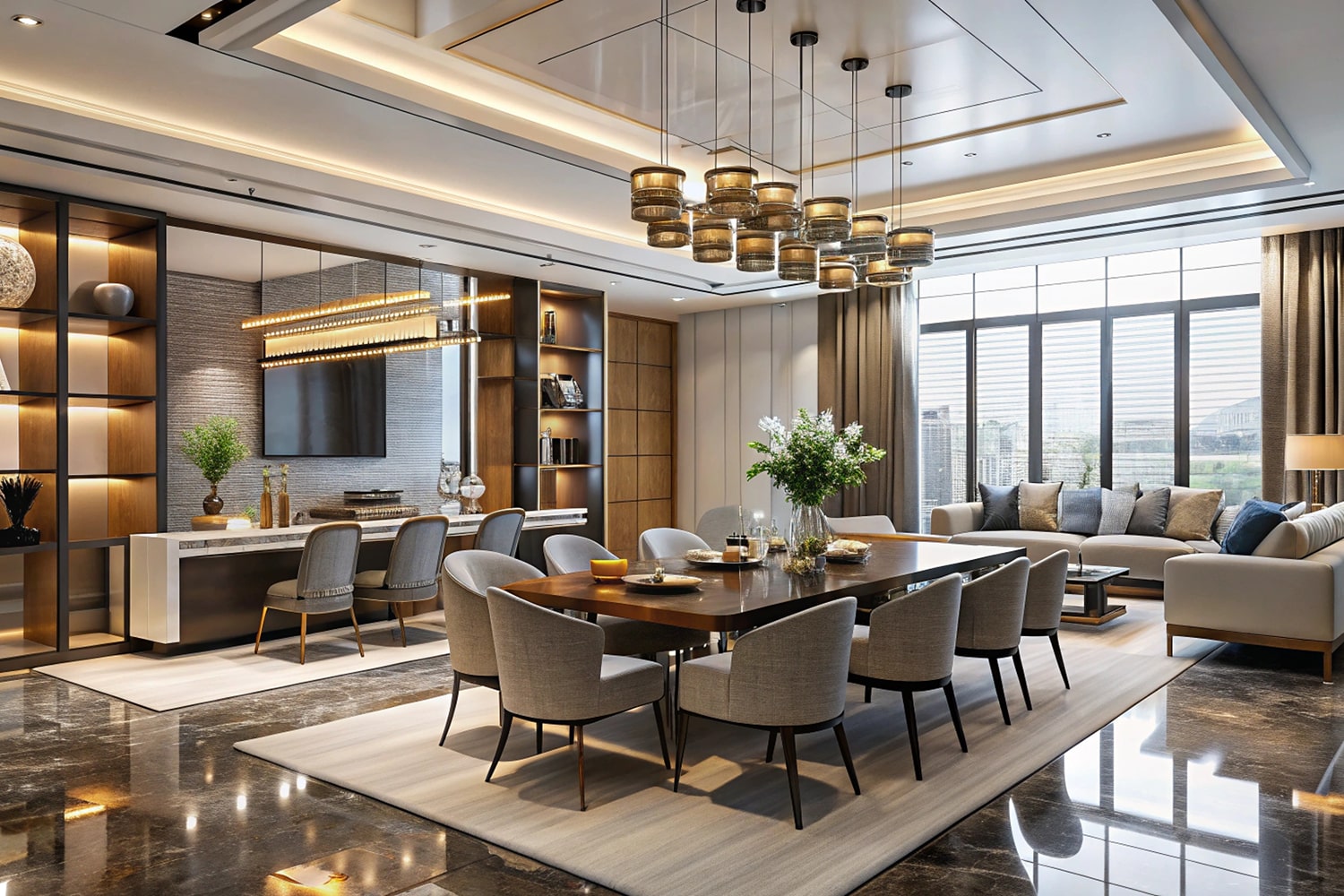
Home decor products can benefit strongly from lifestyle photography because customers often want to see how products fit into a space.
Electronics
Electronics require careful management of reflective surfaces, screens, materials and product details.
MW Stuudio currently works across categories including jewellery, cosmetics, food and beverage, fashion, packaged goods, electronics, home decor and other product categories.
10. Think About Where the Images Will Be Used
The intended platform should influence your photography plan.
An image created for a marketplace listing may have different requirements from an image created for Instagram or a website homepage.
Before the shoot, determine where the photographs will appear.
Consider:
- E-commerce product pages
- Marketplace listings
- YouTube thumbnails
- Website banners
- Website product pages
- Digital advertisements
- Print catalogues
- Brochures
- Email campaigns
This information can influence composition, aspect ratio, background, framing and the number of images required.
MW Stuudio’s product photography process includes discussing platform requirements, image types and brand style during the pre-shoot brief.
Conclusion
Product photography helps customers understand the product.
Lifestyle photography helps customers understand the product’s context and experience.
For an e-commerce business, clean product images can provide the visual information customers need to examine a product. Lifestyle images can then add context, emotion and brand personality.
For many growing brands, the strongest approach is not choosing one and ignoring the other. Instead, create a photography strategy where each image has a clear purpose.
Once those questions are answered, it becomes much easier to determine whether you need catalogue photography, lifestyle photography or a combination of both.
A well-planned photoshoot can also produce more than photographs. When photography is coordinated with video, Reels, e-commerce and digital marketing requirements, one production session can become the foundation for a broader visual content library.