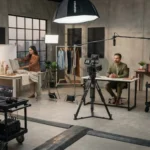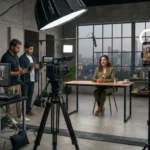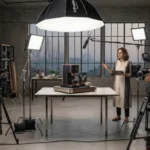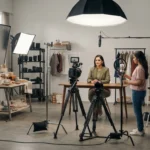

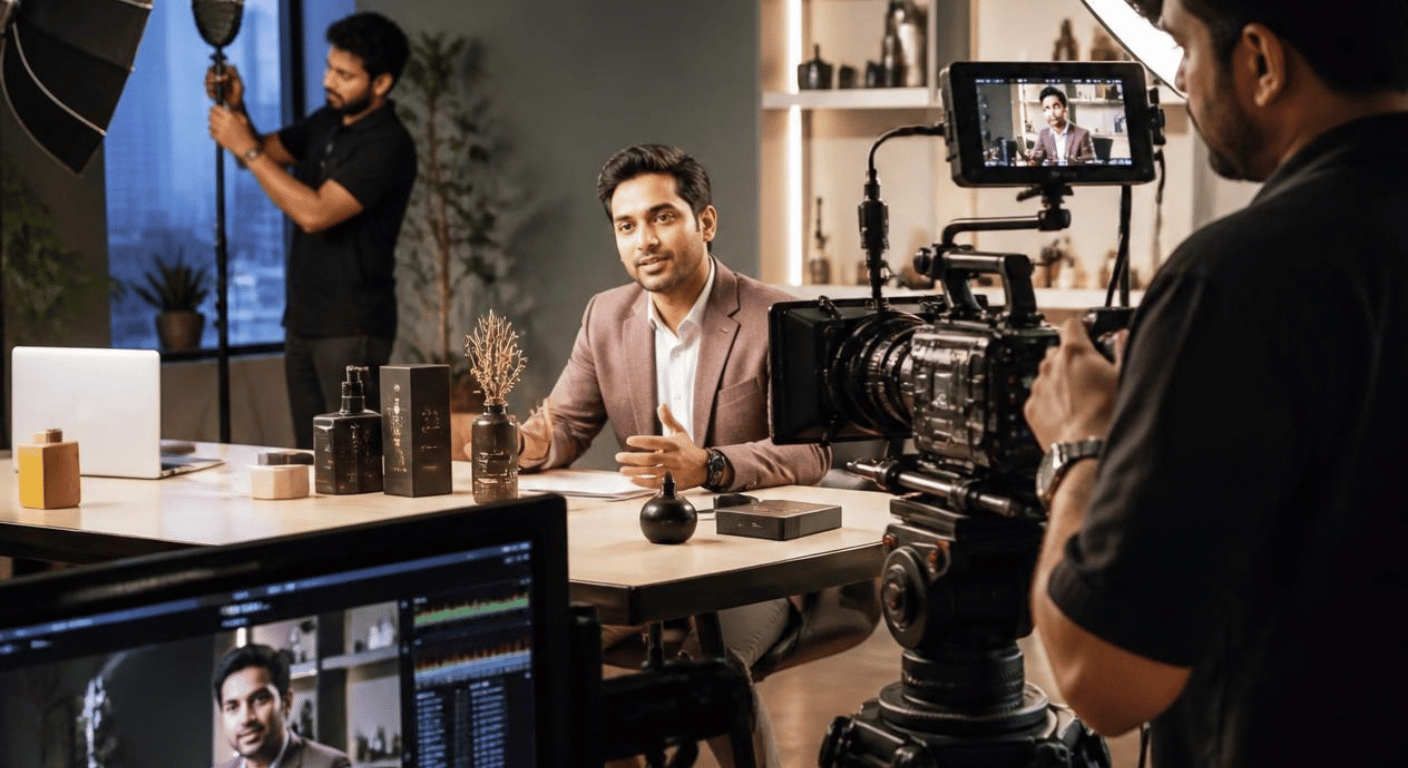
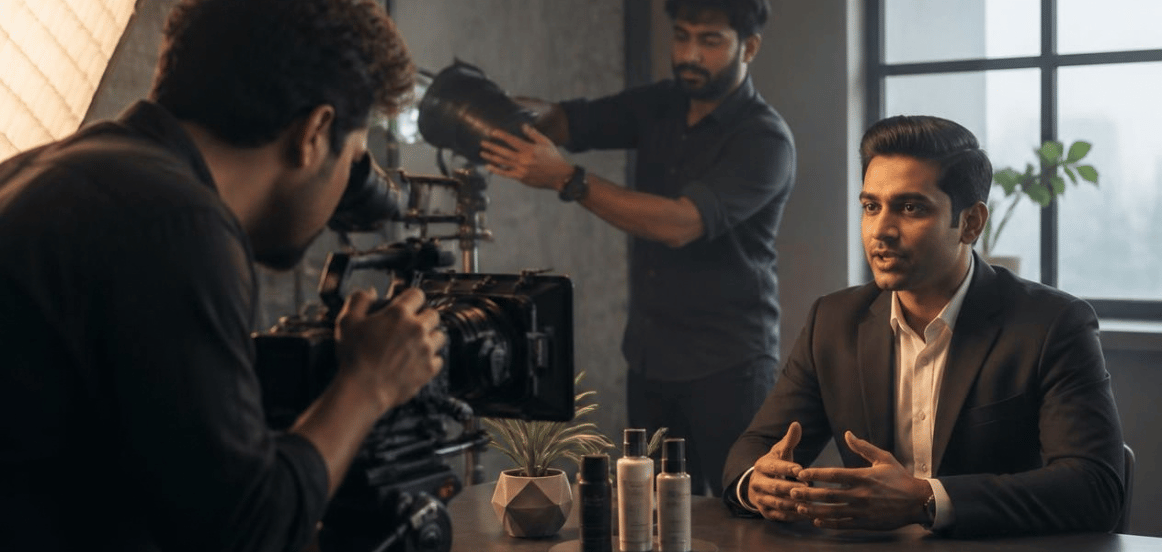
Behind-the-scenes video content gives audiences an opportunity to see what happens beyond a finished product, polished advertisement, professional photoshoot or final video. Instead of showing only the final result, businesses can show the people, preparation, creativity and processes that make that result possible.
For modern brands, behind-the-scenes video content for business can become a useful part of a broader content strategy. A product brand can show how a product is prepared for a photoshoot. A restaurant can show food preparation and plating. A creative agency can show a production day. A professional service company can introduce its team and explain how projects are handled.
The biggest advantage of behind-the-scenes content is that it can show the human side of a business. Customers can see the people working behind the brand rather than interacting only with polished advertisements.
Behind-the-scenes footage can also be created alongside professional photography, video production, podcast recording, product shoots and corporate video production. MW Stuudio provides photography, videography, podcast production and post-production services, making these production activities potential opportunities for capturing additional content. MW Stuudio About Us
However, effective behind-the-scenes content requires more than simply pointing a phone camera at a production team. The footage should have a purpose, a story and a consistent visual style.
Here are 15 practical ways businesses can create effective behind-the-scenes video content for their brand.
1. Define the Purpose of Your Behind-the-Scenes Content
Before recording anything, decide why you want to create behind-the-scenes content.
The purpose could be to:
- Humanise your brand
- Introduce your team
- Show your production process
- Explain how a product is created
- Build trust with potential customers
- Show your expertise
- Promote an upcoming launch
- Support social media content
- Document an important project
- Give customers a closer look at your business
Without a clear purpose, behind-the-scenes videos can become random collections of clips.
For example, a jewellery brand might create a video showing how a product is prepared for a professional photoshoot. The purpose is not simply to show the camera setup. It can demonstrate the amount of attention given to product presentation.
Similarly, a corporate company could record a video showing how its team prepares for an important client presentation.
The content becomes more useful when every clip contributes to a specific story.
2. Show the People Behind the Brand
One of the simplest ways to make behind-the-scenes content more interesting is to show real people.
Customers often see a company’s logo, website and products, but may know very little about the people responsible for delivering them.
Behind-the-scenes videos can introduce:
- Founders
- Employees
- Designers
- Photographers
- Videographers
- Sales teams
- Production teams
- Customer support teams
- Experts
- Collaborators
A short introduction can be enough.
3. Show the Process, Not Just the Final Result
A common mistake is showing only the final photograph, video or product.
Behind-the-scenes content works because it reveals the process.
For example, a professional product shoot could show:
- Product preparation
- Set arrangement
- Lighting setup
- Camera positioning
- Test photographs
- Product adjustments
- Final photography
- Editing
- Final result
This creates a natural transformation story.
The audience can see what happens between the starting point and the finished result.
For businesses offering professional services, this can also demonstrate the amount of planning and expertise involved in delivering the final output.
MW Stuudio’s production services include photography, videography and post-production, so a production workflow can naturally generate multiple BTS moments alongside the main content. MW Stuudio Services.
4. Capture the Preparation Before the Shoot
Preparation itself can become valuable content.
Before a professional photoshoot or video production begins, there are usually several activities happening behind the scenes.
These may include:
- Preparing products
- Selecting props
- Arranging the set
- Testing lighting
- Checking cameras
- Preparing microphones
- Reviewing scripts
- Setting up backgrounds
- Preparing wardrobe
- Organising equipment
These moments can be recorded as short clips.
For example, a Reel could begin with:
“What happens before a professional product shoot?”
The following clips can show the preparation process before revealing the final result.
This creates curiosity and gives viewers a reason to continue watching.
5. Use Before-and-After Visuals
Before-and-after content is particularly effective for demonstrating transformation.
A business can show:
Before:
An empty studio setup.
Process:
Lighting, camera, products and props being arranged.
After:
The professionally produced final image or video.
This format is useful because viewers can immediately understand the difference between preparation and the finished result.
It can be used for:
- Product photography
- Food photography
- Fashion photography
- Interior shoots
- Corporate videos
- Brand films
- Podcast production
- Personal branding
The final result should remain the focus, but the BTS footage explains how the result was achieved.
6. Record Short Vertical Clips for Social Media
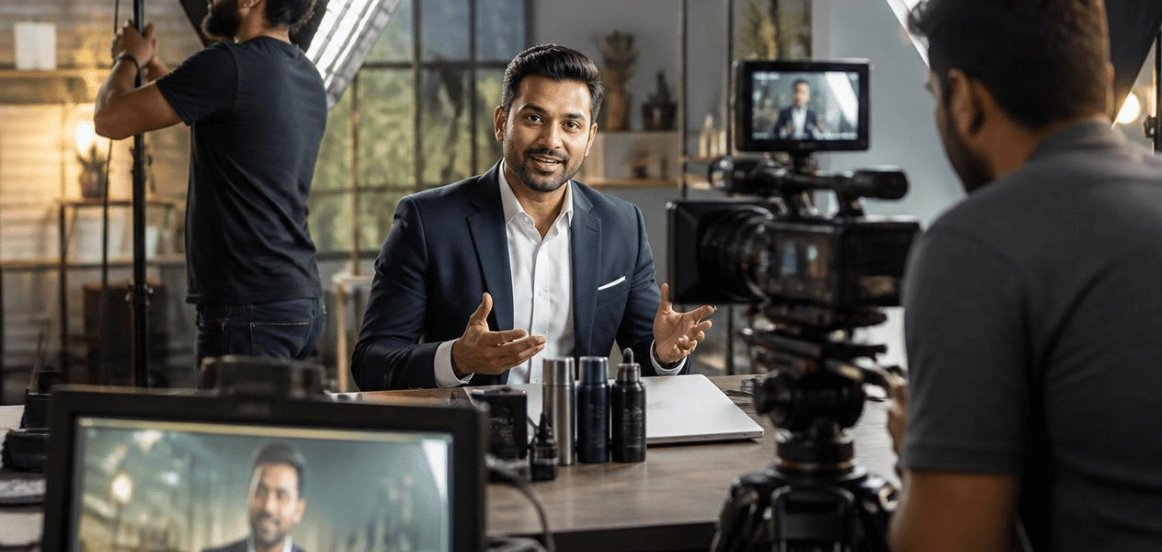
Behind-the-scenes footage is particularly suitable for short-form vertical content.
Instead of recording one long BTS video, capture many short clips.
Examples include:
- Camera setup
- Lighting adjustment
- Product styling
- Team preparation
- Model preparation
- Director giving instructions
- Photographer taking a shot
- Videographer recording
- Editor working
- Final reveal
Each clip can be two to five seconds long.
These clips can later be combined into Reels, Shorts or other short-form videos.
MW Stuudio’s Reel production services specifically support vertical 9:16 video content, making vertical framing useful to consider during production. MW Stuudio Reel Shoot Studio
7. Tell a Story Instead of Posting Random Clips
A collection of random BTS clips does not automatically become a good video.
There should be a simple story.
A basic structure could be:
Beginning:
“We’re preparing for today’s product shoot.”
Middle:
Show preparation, lighting, camera setup and production.
Ending:
Reveal the final photograph or video.
Another example:
Beginning:
“Here’s what happens before our podcast recording starts.”
Middle:
Show microphones, cameras, lighting and guest preparation.
Ending:
Show the final recording setup.
This simple structure gives viewers context.
The story does not have to be complicated. Even a 20-second video can have a beginning, middle and ending.
8. Capture Genuine Moments
Behind-the-scenes content should feel different from a traditional advertisement.
Not every moment needs to be perfectly staged.
Natural moments can include:
- Team members discussing an idea
- Someone adjusting a product
- A photographer checking an image
- A presenter preparing before recording
- A quick laugh between takes
- A team reviewing footage
- Someone solving a production problem
These moments can add personality to the brand.
However, businesses should still maintain professional standards. The goal is authentic content, not careless content.
Good lighting, stable framing and clear audio can make even casual footage look polished.
9. Show the Expertise Behind Your Work
Behind-the-scenes content can also demonstrate expertise.
For example, a professional photographer could explain why a particular light is being used.
A videographer could explain why multiple camera angles are necessary.
A product stylist could explain how products are positioned.
A podcast production team could explain microphone placement.
This transforms BTS content from simple entertainment into educational content.
Businesses can use short explanations such as:
- “Why we use this lighting setup”
- “How we prepare products for photography”
- “Why we record with multiple cameras”
- “How we prepare a podcast guest”
- “How we create a professional product video”
This can help audiences understand the work involved in professional production.
10. Include Behind-the-Scenes Audio
Visual footage is important, but sound can make BTS videos feel more immersive.
Instead of adding only background music, businesses can sometimes include natural production sounds.
Examples include:
- Camera shutter sounds
- Studio setup sounds
- Team conversations
- Director instructions
- Product packaging sounds
- Microphone checks
- Short interview clips
A combination of natural audio and music can create a more authentic production experience.
For videos involving interviews, podcasts or professional presentations, clear recorded speech becomes particularly important.
MW Stuudio’s post-production services include sound design and audio-related post-production as part of its video workflow. MW Stuudio About Us
11. Use BTS Content During Product Launches
Behind-the-scenes content can be especially useful before and during a product launch.
A business can show small parts of the production without revealing everything immediately.
For example:
Before launch:
Show packaging, set preparation and product details.
During launch:
Show the actual photoshoot or video shoot.
After launch:
Reveal the final campaign images.
This can create a sequence of content rather than a single announcement.
It also gives businesses more opportunities to communicate around one campaign.
For new products, BTS content can show preparation while keeping the final reveal as the main launch moment.
12. Repurpose BTS Footage Into Multiple Content Formats
A single BTS shoot can produce several types of content.
For example, one production day could generate:
- Instagram Reel
- YouTube Short
- LinkedIn post
- Instagram Stories
- Website gallery
- Blog visuals
- Production case study
- Company presentation content
This is where content repurposing becomes valuable.
Instead of creating separate content from scratch for every platform, businesses can capture useful footage once and adapt it into different formats.
A 60-second BTS video could become three or four shorter clips, while selected still frames could support social media posts.
This approach also works well alongside professional photography and video production.
13. Maintain Your Brand’s Visual Style
Authentic does not mean inconsistent.
Behind-the-scenes content should still feel connected to the brand.
Businesses can maintain consistency through:
- Similar colour treatment
- Consistent typography
- Brand colours
- Similar editing style
- Consistent captions
- Professional framing
- Recognisable locations
- Consistent music choices
The BTS content can be more casual than an advertisement while still following the overall visual identity.
This is especially important when BTS footage is published alongside professional campaign content.
The audience should feel that both pieces of content belong to the same brand.
14. Create a Regular Behind-the-Scenes Content Series
Businesses do not need to treat BTS videos as occasional posts.
They can create a recurring content series.
For example:
“Behind the Shoot”
Each episode could show a different production day.
Other series ideas include:
- Behind Our Brand
- A Day With Our Team
- How We Make It
- Inside the Studio
- From Setup to Final Result
- Meet the Team
- Production Day
- Before the Final Product
A recurring format makes content planning easier.
It also gives the audience something familiar to look forward to.
The series does not have to be complicated. Consistency is more important than excessive production.
15. Plan BTS Content as Part of Your Production Workflow
The most effective approach is to make behind-the-scenes content part of the production plan from the beginning.
Before the shoot, decide:
- Who will capture BTS footage?
- Which moments should be recorded?
- Which formats are required?
- Which platforms will use the content?
- Which people should appear?
- Which parts of the process can be shared?
- Which information should remain private?
- How will the footage be stored?
- Who will edit the final BTS videos?
During production, capture short clips continuously without interfering with the main shoot.
After production, organise the footage and identify the strongest moments.
Then create different versions for the platforms where your audience is active.
A professional production day can therefore create two layers of content:
Primary Content:
The final photos, videos, podcast episodes, advertisements or campaign materials.
Supporting Content:
Behind-the-scenes clips, preparation videos, team moments, educational snippets and production stories.
This makes every production session more valuable.
MW Stuudio’s combination of photography, video production, podcast production and post-production provides a practical environment for businesses that want to produce different forms of visual content as part of a broader content workflow. MW Stuudio About Us
Conclusion
Behind-the-scenes video content can give businesses a practical way to show the people, preparation, creativity and expertise behind their brand.
Instead of showing only the finished product, businesses can show how that result was created.
The most effective behind-the-scenes video content for business usually has a clear purpose, a simple story and a connection to the brand. It can introduce team members, demonstrate expertise, document production processes, support product launches and create additional social media content.
Businesses can also capture BTS footage during professional photography, video production, podcast recording and other production activities. This makes it possible to create additional content without necessarily organising a completely separate production day.
The key is preparation.
Businesses should decide what they want to show, capture short useful clips throughout production, maintain their visual identity and repurpose the footage across relevant platforms.
A professional production session can therefore create more than a final campaign. It can create a complete collection of content that helps audiences understand the people and process behind the brand.
For brands working with professional photography and video production, adding behind-the-scenes content to the workflow can make the production process itself part of the marketing strategy.