
For many businesses, the founder is one of the most recognizable people associated with the brand.
Customers may see the founder on LinkedIn, Instagram, the company website, interviews, podcasts, presentations, advertisements and other forms of business communication.
This makes personal branding photography and video an important part of modern business content.
However, a successful founder shoot is about more than standing in front of a camera and taking a few professional photographs.
The right preparation can make the difference between a collection of generic headshots and a useful personal branding library that represents the founder, business and professional personality.
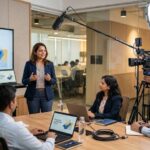
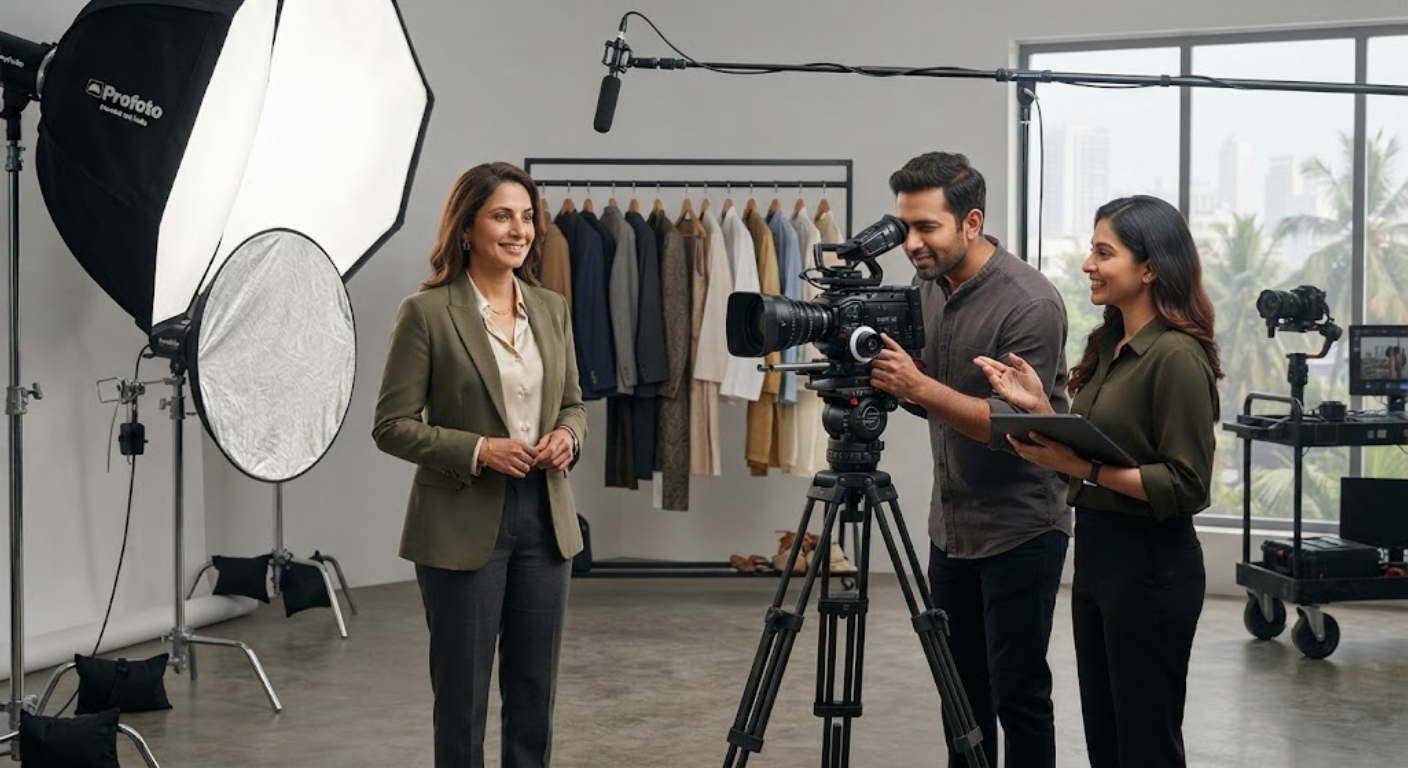
A well-planned shoot can create multiple types of content during one session, including professional portraits, website photographs, LinkedIn images, social media visuals, founder videos, behind-the-scenes content and lifestyle photographs.
Preparation also helps founders feel more comfortable in front of the camera.
The objective is not to make every founder look like a corporate executive in a formal studio portrait. The objective is to create photographs and videos that feel professional while still representing the person’s actual role, personality and brand.
This guide explains how founders can prepare before a professional personal branding shoot and how businesses can get more useful content from the production day.
1. Understand the Purpose of Your Personal Branding Shoot
Before selecting outfits or booking a photographer, determine why the founder needs professional content.
Different goals require different types of photographs and videos.
For example, a founder may need content for:
- Company website
- Speaker profiles
- Media appearances
- Business presentations
- Press releases
- Podcasts
- Advertising campaigns
- Company brochures
- Investor communication
- Personal website
A founder who primarily uses LinkedIn may need professional headshots and approachable business portraits.
A founder who creates educational social media content may need a combination of photographs and short-form videos.
A fashion entrepreneur may require lifestyle and editorial-style images.
A consultant may need photographs that communicate expertise and approachability.
Understanding the purpose helps the production team plan the shoot around actual business requirements.
Instead of taking random photographs and deciding where to use them later, you can build the shoot around specific content needs.
2. Define the Founder’s Personal Brand Before the Shoot
Personal branding does not mean creating a completely different personality for the camera.
It means presenting the founder consistently and professionally.
Think about how you want people to perceive your professional role.
Your visual style could be:
- Professional and corporate
- Approachable and conversational
- Creative and modern
- Premium and sophisticated
- Educational and knowledgeable
- Entrepreneurial and energetic
- Minimal and understated
The style should match the founder’s business and audience.
For example, a technology founder may prefer a modern office environment and smart-casual wardrobe.
A luxury brand founder may require a more refined visual style.
A fitness entrepreneur may benefit from active lifestyle photographs.
A consultant may need a combination of formal portraits and conversational images.
The objective is to create visual consistency between the founder and the business.
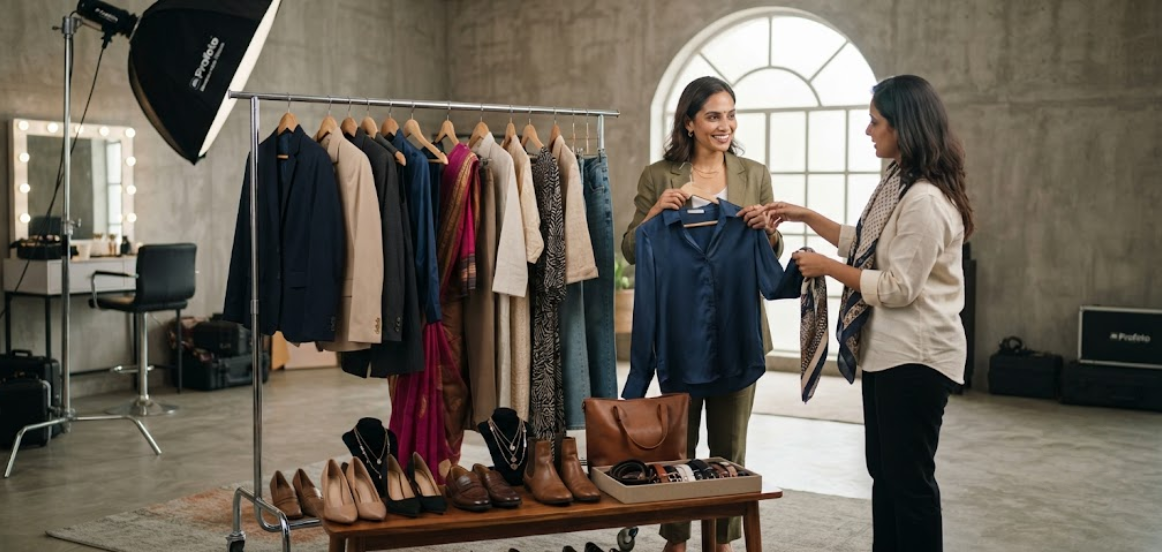
3. Plan Your Wardrobe Carefully
Wardrobe can significantly affect the overall appearance of personal branding photographs.
The founder should select clothing that fits well, feels comfortable and matches the intended professional image.
It is useful to prepare more than one outfit so the final content does not look like it was captured during a single short session.
Depending on the brand, wardrobe options might include:
- Formal business attire
- Smart-casual clothing
- Business-casual looks
- Brand-specific outfits
- Industry-appropriate clothing
- Minimal lifestyle outfits
The most important factor is fit.
Clothing that is too loose, too tight or uncomfortable can affect posture and confidence.
Founders should also avoid outfits with excessive patterns or distracting elements unless those choices are intentionally part of the brand identity.
Wardrobe Checklist
- Prepare multiple complete outfits.
- Iron or steam clothing before the shoot.
- Bring appropriate footwear.
- Carry backup options.
- Match accessories to the intended look.
- Consider the shooting background before selecting colours.
- Keep the overall appearance aligned with the brand.
The photographer and creative team can then select the best combination for different setups.
4. Prepare Grooming Before the Shoot
Professional photography can capture details that may not be noticeable in everyday situations.
Founders should therefore plan grooming before the shoot.
Depending on personal preference, this can include:
- Haircut or styling
- Beard trimming
- Shaving
- Skincare
- Nail grooming
- Hair styling
- Makeup where appropriate
It is generally better to avoid making dramatic appearance changes immediately before the shoot if they are unfamiliar.
The goal is to look like yourself, simply prepared and camera-ready.
For founders who regularly appear in videos, maintaining a consistent grooming style can also help create a recognizable personal brand.
The same principle applies to makeup.
For professional photography and video, subtle grooming or professional makeup can help create an even appearance under studio lighting without making the person look unlike themselves.
5. Prepare Talking Points If You Are Also Recording Video
Personal branding shoots increasingly include video.
If the founder is recording Reels, interviews, educational videos or short business messages, preparation should include the content itself.
Founders do not necessarily need to memorize long scripts.
Instead, prepare key talking points.
For example:
- What problem does your business solve?
- Why did you start the company?
- What makes your approach different?
- What mistakes do customers commonly make?
- What advice would you give your audience?
- What trends are affecting your industry?
- What should customers consider before buying?
These questions can become multiple short videos.
A production team can then guide the founder through the recording process.
This usually feels more natural than asking someone to memorize a long paragraph.
Short, conversational answers can also provide multiple clips for social media.
6. Choose the Right Locations and Backgrounds
A personal branding shoot does not have to happen against a plain studio background.
Different backgrounds can communicate different aspects of a founder’s professional identity.
Possible locations include:
- Professional studio
- Office
- Meeting room
- Creative workspace
- Retail environment
- Product showroom
- Outdoor business setting
- Industry-specific location
A studio provides greater control over lighting and composition.
An office can provide context and make the photographs feel connected to the business.
A combination can be particularly useful.
For example, the founder might begin with formal studio portraits and then move into a workspace for more relaxed photographs and video content.
The background should support the founder rather than distract from them.
7. Practice Natural Poses and Expressions
One of the biggest concerns founders have before a photoshoot is often:
“I don’t know how to pose.”
That is completely normal.
A professional photographer should provide direction throughout the session.
Instead of holding one fixed pose, founders can use simple natural movements:
- Standing confidently
- Sitting at a desk
- Walking naturally
- Looking toward the camera
- Looking away while thinking
- Speaking with another person
- Reviewing documents
- Using a product
- Working at a desk
- Conversing with a team member
Different movements create different types of photographs.
Expressions should also match the purpose.
A formal headshot may require a confident expression.
A social media photograph may feel more approachable.
An educational video may require an engaged and conversational expression.
The goal is not to create a forced smile in every photograph.
Natural expressions usually produce more useful personal branding content.
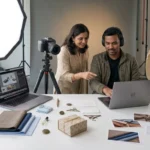
8. Bring Props and Business Elements That Tell Your Story
Personal branding photographs become more meaningful when they show something connected to the founder’s work.
Props can provide context without becoming the main focus.
Depending on the business, useful elements may include:
- Products
- Packaging
- Industry tools
- Books
- Sketches
- Design materials
- Business documents
- Equipment
- Samples
- Branded objects
For example, a fashion founder could be photographed reviewing fabric samples.
A product entrepreneur could be shown demonstrating a product.
A creative director could be photographed working with design materials.
A consultant could be shown preparing for a client discussion.
The objective is to show the founder doing something relevant to their professional role.
This creates more storytelling opportunities than a standard headshot alone.
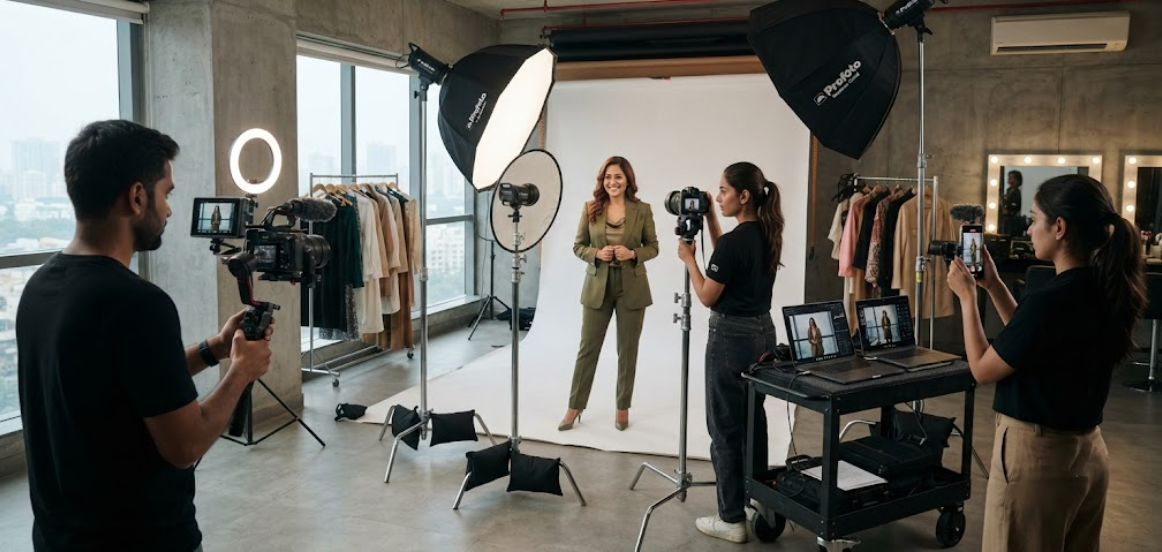
9. Plan Multiple Content Formats From the Same Shoot
A personal branding shoot should not be limited to photographs.
If the founder is already prepared, the production day can potentially generate several content formats.
For example:
Photography
- LinkedIn headshots
- Website portraits
- Founder profiles
- Lifestyle photographs
- Team photographs
- Press images
Video
- Founder introduction
- Educational Reels
- Industry tips
- FAQ videos
- Short interviews
- Product demonstrations
- Business story videos
Supporting Content
- Behind-the-scenes footage
- B-roll
- Short clips
- Social media photographs
Planning these formats together can make the shoot much more efficient.
It also allows the business to build a broader personal branding library instead of needing to organize separate shoots every time new content is required.
10. Prepare a Shot List for Your Photographer
A shot list ensures that important photographs are not forgotten.
It does not need to be complicated.
Create a list of the images and videos you know you will need.
For example:
- Formal headshot
- Friendly headshot
- Full-body portrait
- Sitting portrait
- Founder with product
- Founder working
- Founder speaking
- Founder with team
- Founder in office
- Lifestyle portrait
- Vertical Reel
- Horizontal website video
- Behind-the-scenes footage
You can also identify where each asset will be used.
For example:
LinkedIn: Headshot and professional portrait.
Website: Founder portrait and business-context photograph.
Instagram: Lifestyle images and vertical video.
Press: High-resolution formal portrait.
This helps the production team prioritize the most important content.
11. Prepare Mentally for the Camera
Many founders are comfortable running a business but feel uncomfortable being photographed or recorded.
This is completely normal.
The solution is preparation rather than perfection.
Founders do not need to become professional models or actors.
A good production team can provide direction about:
- Posture
- Eye contact
- Hand positioning
- Movement
- Speaking speed
- Facial expressions
- Camera positioning
For video, it can help to imagine that you are speaking to one customer rather than performing for a camera.
This often produces a more natural communication style.
It is also normal for video recordings to require multiple takes.
A missed word or awkward pause does not mean the recording has failed.
Professional production is designed around taking multiple attempts and selecting the strongest material during editing.
Conclusion
A successful personal branding shoot starts before the camera is turned on.
The founder should know why the shoot is happening, what the content will be used for and what type of professional image needs to be communicated.
Wardrobe, grooming, talking points, locations, props and shot lists should all be considered before production day.
Most importantly, founders should not feel pressured to behave like professional models.
The strongest personal branding content usually feels authentic, confident and connected to the person’s real professional role.
A well-planned shoot can also produce much more than a few headshots. With the right preparation, one production session can create professional photographs, founder videos, social media content, website visuals, lifestyle images and supporting B-roll.
The goal is simple:
Create professional content that makes the founder recognizable, approachable and relevant to the brand they represent.