

Trust is one of the most important factors behind a customer’s decision to choose a business. People may discover a company through Google, social media, advertisements or a website, but before making an enquiry or purchase, they often want to know whether other customers have had a positive experience.
This is where customer testimonial videos for businesses can become a valuable part of a brand’s content strategy.
Instead of a company simply saying that its products or services are reliable, testimonial videos allow real customers to share their experiences in their own words. A well-planned testimonial can explain the customer’s problem, describe their experience with the business and show what they found valuable.
Video also provides additional communication through facial expressions, voice, body language and real-world visuals. When produced professionally, a testimonial can become useful content for websites, social media, presentations, advertisements and other marketing channels.
MW Stuudio provides video production services that include testimonial videos, brand films, corporate videos, scripting, shooting, directing and complete post-production.
This guide explains how businesses can plan, record and use customer testimonial videos for businesses to communicate customer experiences more effectively.
1. Understand Why Customer Testimonials Matter
A customer testimonial is different from a traditional advertisement.
An advertisement usually communicates a company’s own message. A testimonial gives customers an opportunity to explain their experience from their own perspective.
This difference can make testimonial content feel more personal and relatable.
A potential customer may have questions such as:
- Did the product actually solve the customer’s problem?
- Was the service experience smooth?
- Was the company professional?
- Did the customer receive proper support?
- What was the experience before and after working with the business?
- Would the customer recommend the company?
A well-structured testimonial can address several of these questions naturally.
The goal is not to make the customer praise every aspect of the business. The goal is to capture an authentic experience that helps another potential customer understand what working with the company can be like.
2. Choose the Right Customers for Your Testimonial
Not every customer will be the right person for a testimonial video.
Choose customers whose experience represents the type of audience you want to attract.
For example, an e-commerce company may choose a customer who has used a product for several months. A professional service company may interview a client who completed a meaningful project. A B2B company may feature a decision-maker who can explain the business problem and solution.
Look for customers who can explain their experience clearly and comfortably on camera.
Consider these factors:
- Their experience with your product or service
- Their ability to explain the problem they faced
- Their familiarity with your company
- Their willingness to appear on camera
- Their relevance to your target audience
- Their ability to provide specific examples
A customer does not need to be a professional speaker.
A good production team can help them feel comfortable and guide the conversation.
3. Start With the Customer’s Problem
One of the strongest ways to structure a testimonial is to begin with the customer’s original problem.
Before customers explain why they liked your company, help viewers understand what situation they were dealing with.
For example:
A business owner might have struggled with poor product photography.
A founder might have needed a new website.
A company might have been searching for professional video production.
A customer might have wanted a specific product that solved a particular need.
When viewers understand the starting point, they can better understand the significance of the customer’s experience.
The testimonial becomes a story rather than a collection of compliments.
4. Ask Questions That Encourage Real Stories
The quality of a testimonial often depends on the questions asked during the interview.
Avoid questions that produce simple answers such as:
“Did you like our service?”
The answer will probably be:
“Yes.”
Instead, ask open-ended questions that encourage the customer to explain their experience.
Useful testimonial questions include:
- What problem were you trying to solve?
- What made you look for a solution?
- Why did you choose our company?
- What was your experience working with our team?
- What part of the process did you find useful?
- Was there anything that surprised you?
- How did the final product or service help you?
- What would you tell someone considering our service?
- What stood out about your experience?
These questions provide the customer with opportunities to tell a story rather than repeat marketing language.
5. Keep the Testimonial Authentic
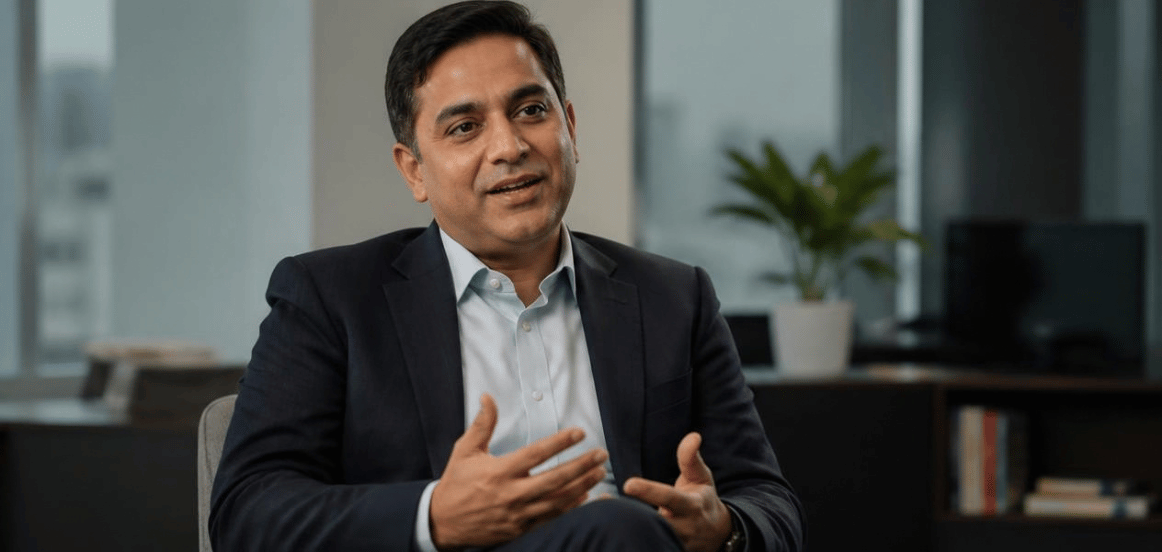
Authenticity should be one of the most important goals of testimonial production.
Customers should be allowed to speak naturally.
Avoid forcing them to memorise a long script if it makes their delivery sound unnatural.
Instead, provide talking points and questions.
If the customer makes a small mistake, pauses or restarts a sentence, the production team can often use another take during editing.
The customer should still sound like themselves.
This is especially important because overly polished testimonials can sometimes feel more like advertisements than genuine customer experiences.
A professional production should improve presentation quality without removing the customer’s personality.
6. Record the Testimonial in the Right Location
The location can add context to the customer’s story.
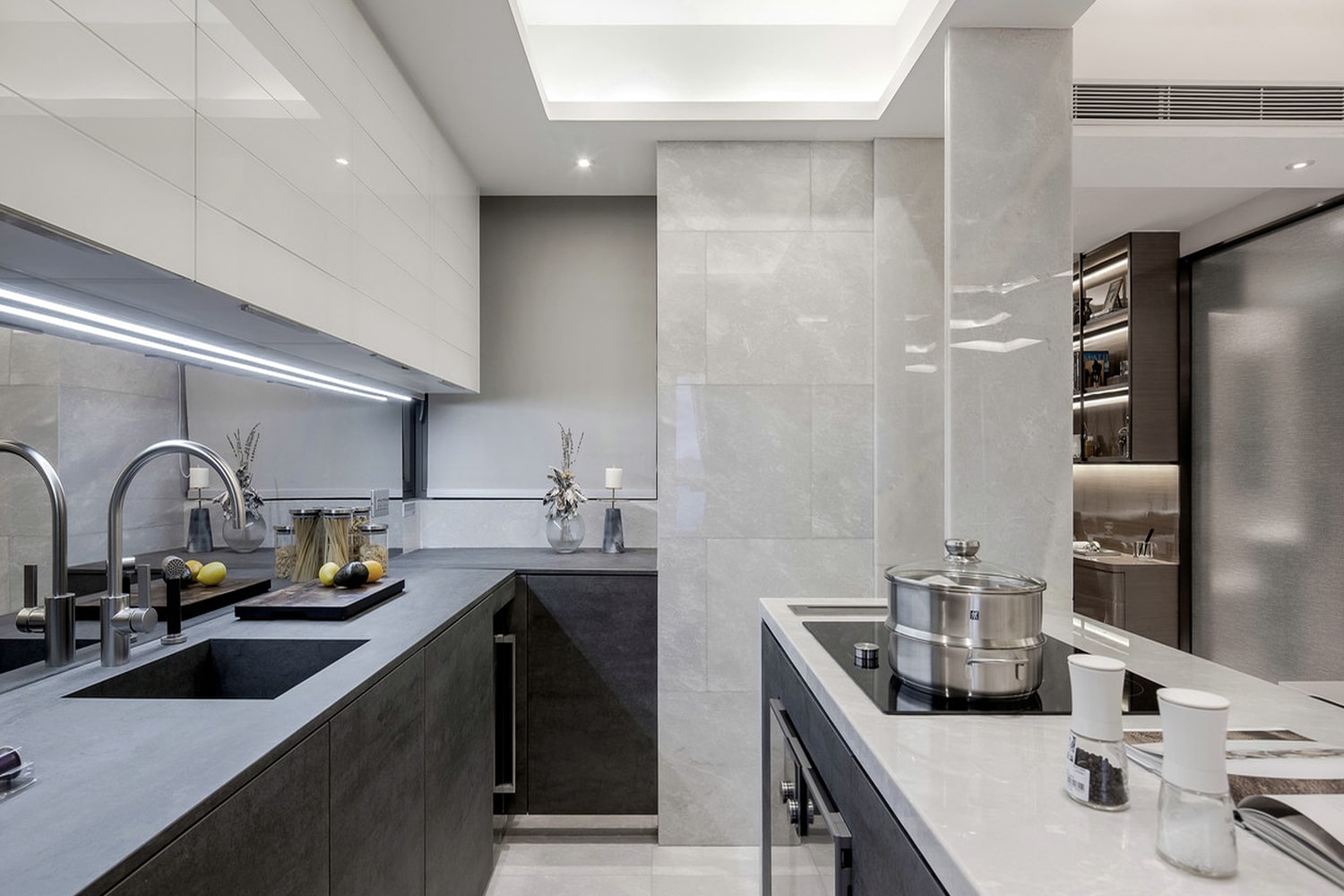
A testimonial does not always need to be recorded inside a studio.
Depending on the business, suitable locations could include:
- Customer’s office
- Retail store
- Restaurant
- Clinic
- Showroom
- Home
- Factory
- Workplace
- Business premises
- Professional studio
For example, if a customer is discussing how a product is used in their workplace, recording them in that environment can provide useful supporting visuals.
The location should look professional while remaining relevant to the customer’s experience.
7. Use Professional Lighting and Composition
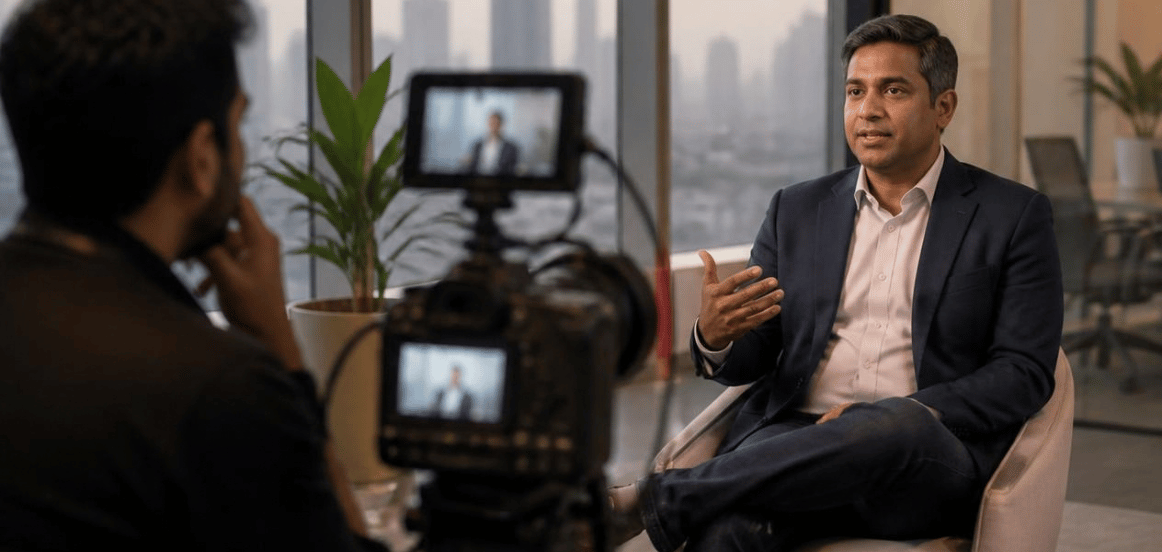
The customer should be easy to see and visually separated from the background.
Professional lighting can help create a polished appearance while maintaining a natural environment.
The production team should consider:
- Key lighting
- Fill lighting
- Background lighting
- Camera position
- Framing
- Background elements
- Skin tones
- Reflections
- Exposure
The background should support the story rather than distract from the speaker.
A clean and intentional composition can make the testimonial feel more professional without making it look artificial.
8. Prioritise Clear Audio
Viewers can tolerate a simple background more easily than poor audio.
If the customer’s voice is unclear, noisy or difficult to understand, the message can lose its impact.
Professional testimonial production should therefore pay close attention to microphone placement and recording conditions.
The production team should check for:
- Background noise
- Echo
- Air-conditioning noise
- Traffic
- People talking nearby
- Microphone interference
- Clothing noise
- Recording levels
A clean recording also gives editors more flexibility during post-production.
Professional post-production can then include dialogue editing, sound design, audio balancing, music and other finishing work.
9. Capture Supporting B-Roll
The interview is only one part of the testimonial.
Supporting footage, also called B-roll, can show the customer’s real environment and experience.
For example, if a customer talks about using a software platform, show them using it.
If they discuss a product, show the product.
If they talk about visiting a business, show the location.
B-roll helps the editor create visual variety while keeping the customer’s story at the centre.
Useful B-roll can include:
- Customer using the product
- Product close-ups
- Customer interacting with staff
- Workplace activities
- Before-and-after processes
- Service delivery
- Product packaging
- Office environment
- Customer experience
- Relevant details and close-up shots
This makes the testimonial more visually informative.
10. Show Specific Experiences Instead of Generic Praise
One of the biggest differences between a useful testimonial and a weak testimonial is specificity.
Statements such as:
“Our company is very good.”
“We had a great experience.”
“The service was excellent.”
are positive but do not tell potential customers much.
Specific experiences are more informative.
For example, a customer could explain what problem they had, what process they followed, what they received and which part of the experience they found useful.
Specificity gives the audience more context.
It also allows the testimonial to answer practical questions that potential customers may already have.
11. Keep the Story Focused
A testimonial does not need to include every detail of the customer’s relationship with your company.
The final video should have a clear narrative.
A simple structure can be:
Problem → Decision → Experience → Outcome → Recommendation
For example:
The customer had a problem.
They searched for a solution.
They chose the company.
They experienced the service or product.
They explain what they found valuable.
They provide a final recommendation or observation.
This structure makes the video easier to follow.
During editing, remove unnecessary repetition and unrelated sections while preserving the customer’s natural voice.
12. Create Different Versions for Different Platforms
One testimonial does not necessarily need to remain one long video.
The same interview can often be edited into multiple versions for different uses.
For example:
- Full testimonial for the website
- Short version for LinkedIn
- Vertical Reel
- YouTube Short
- Customer quote video
- Product-specific testimonial
- Sales presentation clip
- Website service-page video
- Advertisement variation
Different platforms may require different durations, aspect ratios, captions and editing styles.
Planning these versions before the shoot can help the production team capture appropriate footage.
MW Stuudio’s video production and post-production services cover formats such as testimonial videos, brand films, Reels and other business video content.
13. Add Subtitles and Useful Graphics
Many viewers watch social media videos without sound.
Subtitles can make testimonial videos easier to understand in these situations.
Graphics can also help communicate important information without overwhelming the video.
Possible elements include:
- Subtitles
- Customer name
- Job title
- Company name
- Location
- Product name
- Relevant statistics
- Simple brand graphics
- Logo animation
- Supporting text
Graphics should support the customer’s story rather than compete with it.
The customer’s face and voice should remain the primary focus.
14. Use Customer Testimonial Videos Across Your Digital Presence
A testimonial should not be uploaded once and forgotten.
Businesses can use testimonial videos across multiple parts of their digital presence.
For example, a business could place testimonials on:
- Homepage
- About page
- Service pages
- Product pages
- Landing pages
- Social media
- YouTube
- Sales presentations
- Email campaigns
- Digital advertisements
The most relevant placement depends on the customer’s story.
For example, a product-specific testimonial can be particularly relevant on a product page, while a company-focused testimonial may work better on an About or service page.
This turns customer experiences into reusable brand assets.
15. Build a Long-Term Testimonial Content Strategy
Businesses should think beyond creating one testimonial.
A collection of customer stories can provide different perspectives on the company.
You could feature customers from different:
- Industries
- Locations
- Business sizes
- Use cases
- Product categories
- Service requirements
- Customer journeys
This creates a broader library of experiences.
Over time, businesses can also create different testimonial formats, such as customer interviews, case-study videos, short customer quotes and detailed project stories.
The goal is to build a genuine collection of customer experiences rather than producing identical videos repeatedly.
Conclusion
Customer testimonial videos for businesses can provide a more personal way to communicate customer experiences.
Instead of relying only on company-created marketing messages, testimonial videos give customers an opportunity to explain their problems, experiences and perspectives in their own voices.
The strongest testimonial videos are not necessarily the ones with the biggest production budgets. They are the ones with a clear story, relevant customer, useful questions, authentic answers, strong visuals, clean audio and thoughtful editing.
Businesses should also think beyond one final video. A single customer interview can potentially become a website testimonial, social media Reel, YouTube video, sales presentation asset and other pieces of content when the production is planned accordingly.
Professional production can help businesses capture these stories with suitable lighting, camera work, sound, B-roll and post-production. MW Stuudio currently offers testimonial videos alongside corporate videos, brand films, Reels, video production and complete post-production services.
The objective should remain simple: let real customers explain real experiences in a professional and authentic way.
When customer stories are presented clearly, they can become valuable content for helping potential customers understand your business and make more informed decisions.