

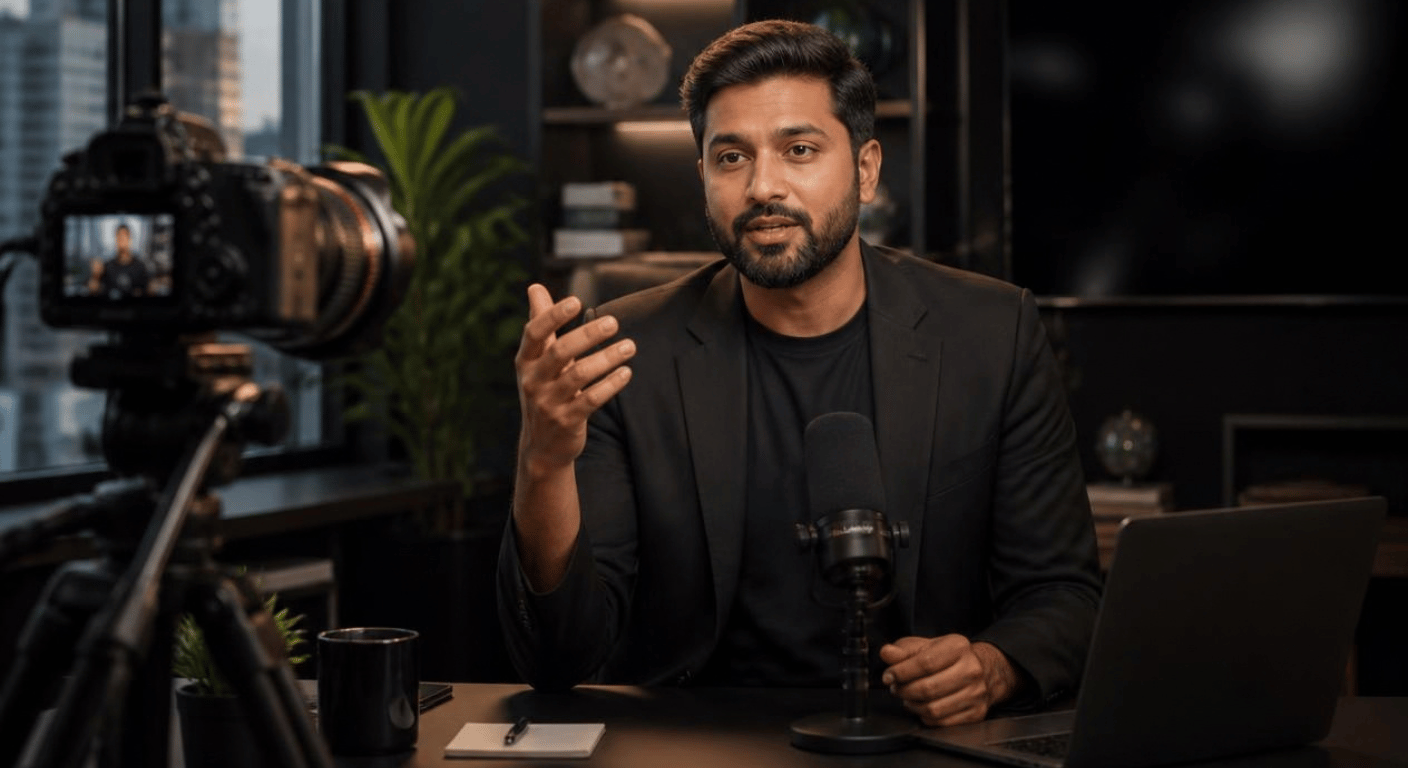
YouTube has become an important platform for businesses that want to educate audiences, demonstrate expertise, explain products, answer customer questions, and build a stronger online presence. While short-form content such as YouTube Shorts can help businesses reach new viewers, a complete YouTube strategy does not have to stop at short videos.
YouTube content beyond short-form videos can include educational videos, product demonstrations, interviews, tutorials, company stories, customer testimonials, podcasts, behind-the-scenes videos, case studies, webinars, and long-form expert content.
Long-form YouTube videos give businesses more room to explain complicated topics, demonstrate expertise, answer common questions, and create content that viewers can return to later. YouTube itself provides creators with analytics around impressions, click-through rate, average view duration, audience retention, traffic sources, and viewer behaviour, making it possible to evaluate how different video formats perform.
For businesses, the goal should not simply be to upload longer videos. The goal is to create useful, well-structured content that gives viewers a reason to click, watch, learn, and continue exploring the brand.
Here are 15 practical ways businesses can create effective YouTube content beyond short-form videos.
1. Define the Purpose of Your YouTube Content
Before recording a YouTube video, decide exactly what the video is supposed to achieve.
A business YouTube channel can have several different purposes. For example, one video might educate potential customers, another might demonstrate a product, while another might introduce the company’s team.
Without a clear objective, videos can easily become long presentations without a strong direction.
Start by asking:
- What should the viewer learn?
- What problem are we solving?
- Who should watch this video?
- What action should the viewer take afterward?
- How does this video connect with our business?
For example, a website development company could create videos explaining website costs, SEO basics, website mistakes, e-commerce features, and website redesign planning.
A jewellery brand could create videos about jewellery care, styling ideas, product comparisons, and buying guides.
A professional services business could create educational videos answering frequently asked customer questions.
A clear objective makes the rest of the production process easier.
2. Understand What Your Target Audience Wants to Watch
Good YouTube content starts with the audience rather than the camera.
Businesses should understand what their potential customers are searching for, what questions they regularly ask, what problems they experience, and what information could help them make better decisions.
YouTube’s Audience analytics can provide insights into what viewers watch, the formats they consume, and other channels or topics that interest them. These insights can be useful when developing future content ideas.
For example, instead of creating a generic video called:
“Our Company Introduction”
a business could create:
“5 Things to Check Before Hiring a Website Development Company”
The second topic immediately communicates a useful reason to watch.
Think about content from the viewer’s perspective.
Your audience may want:
- Answers to common questions
- Tutorials
- Product demonstrations
- Comparisons
- Expert advice
- Industry insights
- Case studies
- Behind-the-scenes information
- Buying guidance
- Practical solutions
The more closely your videos match genuine audience interests, the easier it becomes to build a meaningful content strategy.
3. Build Content Around Useful Long-Form Topics
Long-form YouTube content gives businesses an opportunity to explore topics that cannot be properly explained in a 30-second or 60-second video.
Instead of stretching a simple idea into a long video, choose topics that naturally require explanation.
Useful long-form topics can include:
- Complete guides
- Tutorials
- Product demonstrations
- Industry discussions
- Expert interviews
- Case studies
- Customer stories
- Educational series
- Frequently asked questions
- Business processes
- Product comparisons
- Behind-the-scenes production
For example, a photography studio could create:
“Complete Guide to Planning a Professional Product Photoshoot for E-Commerce”
A digital agency could create:
“How to Build an SEO-Friendly E-Commerce Website From Scratch”
A fitness business could create:
“Complete Beginner’s Guide to Building a Sustainable Workout Routine”
The important point is that the topic should justify the length.
A longer video should provide more depth, not simply more minutes.
4. Create Strong Video Titles and Thumbnails
A well-produced video still needs to attract attention before someone watches it.
YouTube identifies thumbnail impressions and click-through rate as important video performance metrics. The platform also recommends thinking carefully about how the title and thumbnail communicate the video’s value and set expectations for viewers.
A business should therefore treat the title and thumbnail as part of the content strategy rather than something created at the last minute.
A strong title should communicate:
- What the video is about
- Who it is for
- What the viewer can learn
- Why the topic matters
For example:
Weak:
“Website Development Discussion”
More specific:
“How Much Does a Business Website Cost? Complete Guide”
The thumbnail should support the title rather than repeat every word from it.
Use a clear visual hierarchy, recognizable subject, strong composition, and consistent branding.
Avoid creating misleading thumbnails simply to increase clicks. The content should deliver what the title and thumbnail promise.
5. Start Videos With a Clear and Relevant Hook
The opening of a long-form video is extremely important.
Viewers need to understand quickly why they should continue watching.
YouTube’s retention tools specifically show how many viewers remain after the first 30 seconds and highlight moments where viewers drop off, rewatch sections, or maintain attention.
A useful introduction can answer three questions quickly:
What is this video about?
Why should I care?
What will I learn or receive by watching?
For example:
“Planning your first e-commerce website? In this video, we’ll cover the essential features, common mistakes, approximate development considerations, and the questions you should ask before hiring a developer.”
This is more effective than spending the first minute talking about unrelated background information.
Avoid unnecessarily long introductions, excessive animations, or repeated greetings.
Get to the subject.
6. Structure Every Video Like a Story
Long-form content becomes easier to watch when it has a clear structure.
A simple structure could be:
Introduction → Problem → Explanation → Examples → Practical Steps → Summary → Next Action
For an educational video, divide the subject into logical chapters.
For example:
Video: How to Build an E-Commerce Website
- Understanding the business goal
- Choosing the right platform
- Planning website structure
- Product pages
- Payment integration
- Shipping
- SEO
- Mobile optimisation
- Testing
- Launch
This structure gives the viewer a clear path through the topic.
It also makes editing easier because the production team knows what needs to be recorded.
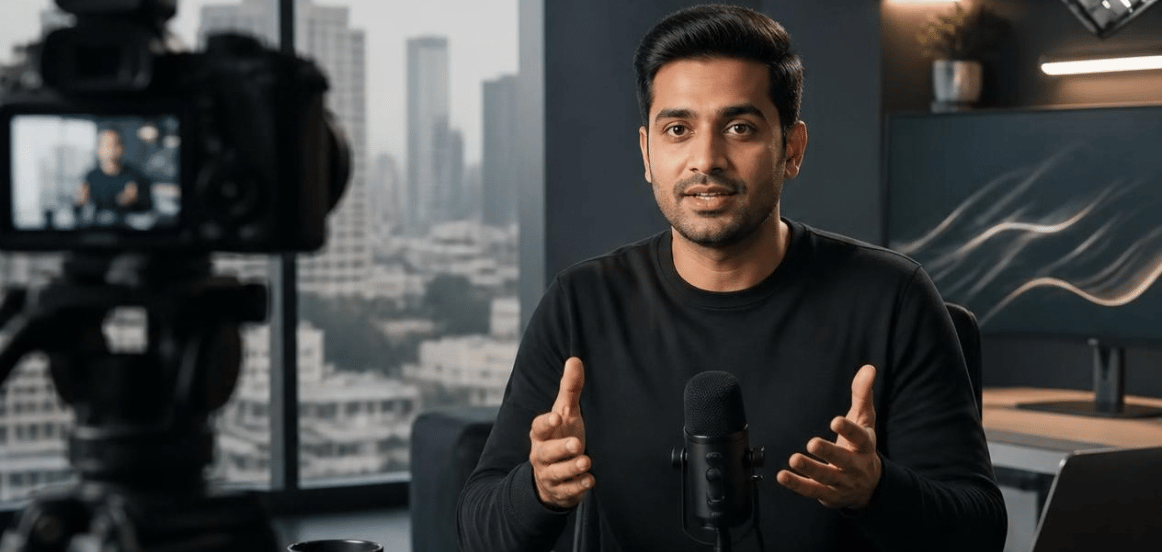
For longer educational videos, YouTube chapters can also help viewers navigate specific sections. YouTube allows creators to add timestamps and chapter titles to descriptions.
7. Invest in Professional Audio
Viewers may tolerate a simple visual setup, but poor audio can make a video difficult to watch.
For business content, clear speech should be a priority.
Professional audio can involve:
- Appropriate microphones
- Correct microphone positioning
- Controlled recording environments
- Monitoring during recording
- Noise reduction
- Audio balancing
- Sound design during post-production
This becomes particularly important for interviews, podcasts, tutorials, educational videos, and expert presentations.
If the viewer constantly struggles to understand what the presenter is saying, the quality of the information becomes less important because the viewing experience itself becomes frustrating.
MW Stuudio provides professional video production and post-production services, including sound design, audio mixing, podcast editing, and video editing.
8. Use Professional Lighting and Camera Composition
Professional YouTube content does not necessarily require a massive production setup, but lighting and composition should be intentional.
A well-lit subject is easier to see and can make the video feel more polished.
Businesses can use:
- Key lighting
- Fill lighting
- Background lighting
- Practical lights
- Controlled exposure
- Appropriate camera angles
- Clean backgrounds
Camera composition should also support the type of content being created.
An interview may benefit from a medium shot and secondary camera angle.
A product demonstration may require close-ups.
A tutorial may require a presenter-facing camera combined with screen recordings or demonstrations.
A company profile may need a combination of interviews, workplace footage, products, and B-roll.
The production setup should serve the story.
9. Combine Talking-Head Videos With B-Roll
A long-form video does not have to show the presenter continuously.
B-roll can make the content more visually interesting while helping demonstrate what the presenter is discussing.
For example, if a business owner is explaining their manufacturing process, the video could include footage of:
- Employees working
- Products being created
- Machinery
- Packaging
- Customer interactions
- Office environment
- Product details
For a digital business, B-roll could include:
- Website screens
- Team meetings
- Design work
- Client discussions
- Software demonstrations
- Behind-the-scenes production
B-roll also gives editors opportunities to hide cuts and maintain visual variety.
This is especially useful for longer videos where a single static camera angle could become visually repetitive.
10. Create Product Demonstrations and Tutorials
Tutorials and demonstrations are especially useful for businesses selling products, services, software, or specialised expertise.
Instead of simply telling viewers that a product is useful, show how it works.
A product demonstration could include:
- Product overview
- Setup
- Main features
- Practical use
- Common mistakes
- Maintenance
- Comparison
- Frequently asked questions
Software companies can record screen demonstrations.
E-commerce brands can demonstrate product features.
Professional service businesses can explain their processes through real examples.
Tutorial content can also answer questions potential customers are already asking before they contact the business.
This makes YouTube content useful both as a marketing asset and as an educational resource.
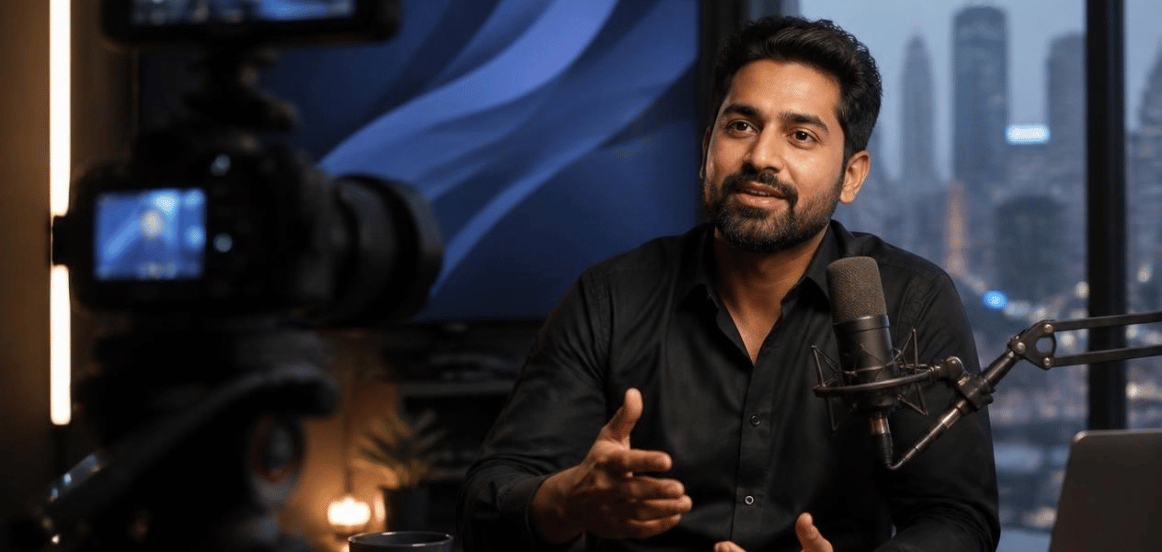
11. Turn Expert Knowledge Into Interview and Podcast Content
Businesses often have valuable knowledge inside their own teams.
Founders, consultants, designers, doctors, developers, marketers, photographers, architects, and other professionals can become valuable video presenters.
Instead of creating every video as a scripted presentation, businesses can also produce:
- Expert interviews
- Founder conversations
- Customer interviews
- Industry discussions
- Panel discussions
- Video podcasts
- Question-and-answer episodes
This approach can make complex topics more conversational.
It also creates opportunities to build a series instead of relying on individual videos.
MW Stuudio provides podcast recording and video production services, including professional microphones, multi-camera production, editing, sound design, thumbnails, and related production support.
A single podcast recording can also provide material for longer YouTube content while selected sections can later become shorter social media clips.
12. Use Customer Stories and Case Studies
Customer stories can make business content more concrete.
Instead of simply saying that your service works, explain how a project was approached, what problem existed, what process was followed, and what changed afterward.
A case-study video could follow this structure:
The Challenge
What problem did the customer have?
The Approach
What solution did the business provide?
The Process
How was the project completed?
The Experience
What did the customer learn?
The Outcome
What measurable or observable changes occurred?
Businesses should avoid exaggerating results or presenting unsupported claims.
The purpose is to explain the real project clearly.
Customer stories can be especially useful for professional services, agencies, B2B companies, real estate, healthcare, education, technology, and e-commerce businesses.
13. Repurpose Long-Form YouTube Videos Into Multiple Content Formats
Creating a long-form video does not mean the content can only be used once.
A well-planned YouTube recording can become the source material for multiple pieces of content.
For example, one 30-minute expert interview could produce:
- One complete YouTube video
- Several YouTube Shorts
- Instagram Reels
- LinkedIn clips
- Quote graphics
- Blog topics
- Website content
- FAQ sections
- Newsletter content
- Social media posts
This creates a more efficient content workflow.
The key is to plan repurposing before the shoot.
During recording, identify strong statements, demonstrations, stories, questions, and visual moments that could work as individual clips.
YouTube itself allows creators to compare viewer behaviour across formats such as Videos, Shorts, and Live, which can help businesses understand how different formats contribute to their overall content strategy.
14. Study Analytics and Improve Future Videos
Publishing a YouTube video should not be the end of the process.
Analytics can show where viewers are discovering your content, whether thumbnails are generating clicks, how long people are watching, and where viewers leave.
YouTube provides metrics such as impressions, click-through rate, views, average view duration, watch time, and audience retention.
Pay attention to patterns.
For example:
High impressions + low CTR
The topic may be receiving exposure, but the title or thumbnail may not be attracting enough clicks.
Good CTR + low retention
People may be interested in the topic but the opening or content structure may not meet expectations.
Strong retention around one section
That section may provide an idea for a future video.
Repeated audience drop-offs
Those sections may need better scripting, pacing, visuals, or editing.
The objective is not to chase one metric.
Instead, use the data to understand how viewers respond and improve the next piece of content.
15. Build YouTube as a Long-Term Content System
The biggest mistake businesses can make is treating YouTube as a collection of unrelated videos.
A stronger approach is to build a content system.
For example, a digital agency could create several content pillars:
Educational Content
Website development, SEO, digital marketing, e-commerce.
Expert Content
Founder interviews, industry discussions, expert opinions.
Demonstration Content
Website audits, product demonstrations, tutorials.
Trust Content
Customer stories, case studies, team introductions.
Brand Content
Company culture, behind-the-scenes videos, studio tours.
Long-Form Series
Weekly educational videos or monthly expert interviews.
Once these pillars are established, the business can create a repeatable production calendar.
A monthly plan might include:
Week 1: Educational YouTube video
Week 2: Customer case study
Week 3: Expert interview
Week 4: Product/service tutorial
Each long-form recording can then be repurposed into shorter content.
This creates a connected content ecosystem instead of random uploads.
For businesses that want professional production support, MW Stuudio offers video shoot and editing services covering brand films, corporate videos, product demonstrations, testimonials, social media content, YouTube long-form content, and post-production.
Conclusion
Businesses do not have to depend entirely on short-form videos to build a presence on YouTube.
YouTube content beyond short-form videos gives brands the opportunity to explain complex topics, demonstrate products, share expertise, interview industry professionals, present customer stories, publish educational tutorials, and create a deeper connection with their audience.
The most effective approach is not simply to make longer videos. It is to create videos with a clear purpose, useful information, strong structure, professional production, relevant titles and thumbnails, and a strategy for improving future content.
Businesses should also think beyond individual uploads.
A single well-planned production session can become a complete content library containing long-form YouTube videos, Shorts, Reels, website content, educational resources, customer stories, and social media clips.
With the right planning and production workflow, YouTube can become more than another social media channel. It can become a long-term library of useful content that supports brand awareness, education, trust, and digital communication.